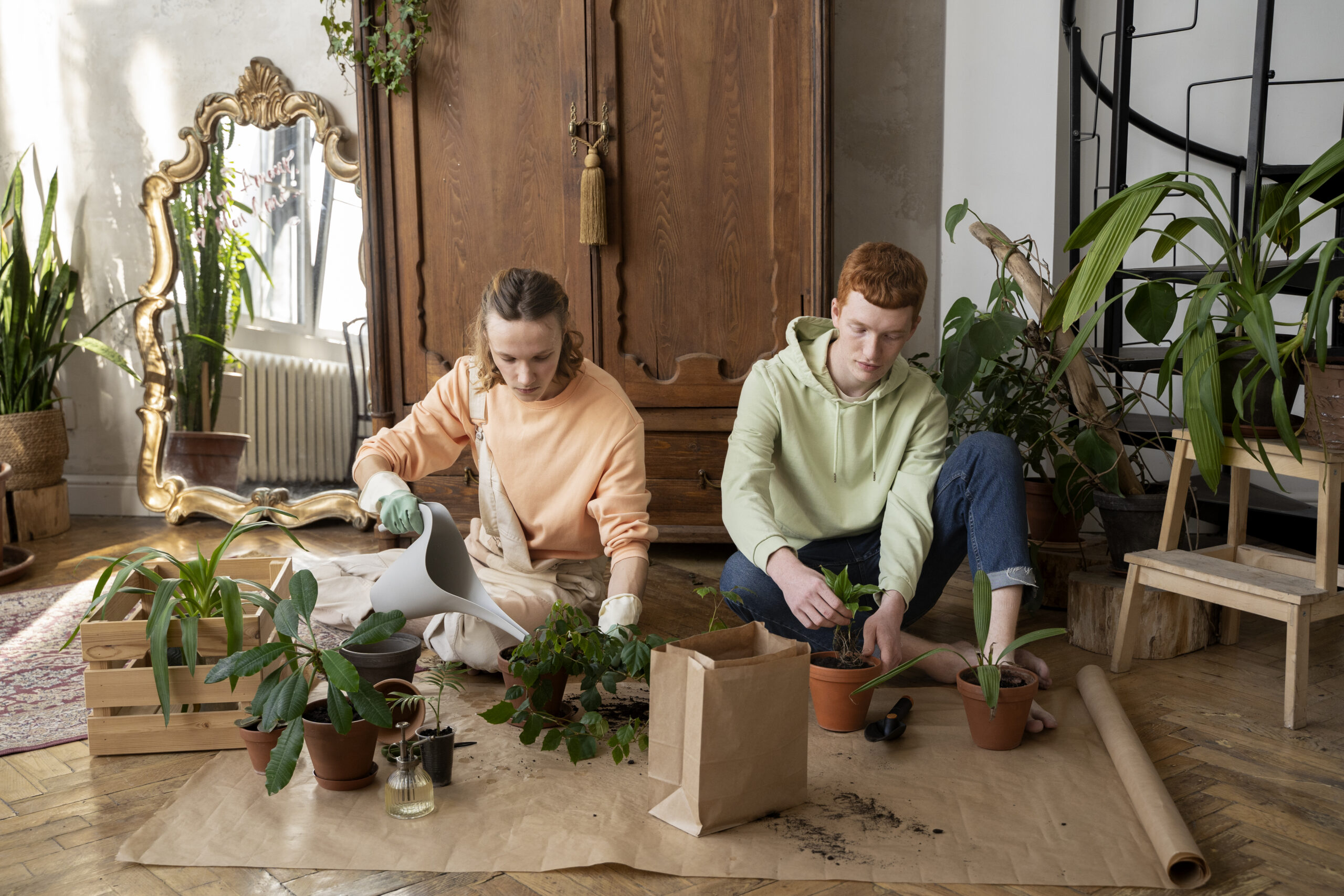
Homeowners today are rethinking not just the appearance of their spaces, but the values behind their construction. Sustainability & eco-conscious design now mark a fundamental shift: interiors are defined by purposeful materials, low-carbon choices, and meaningful origins.
According to Decorilla, selecting reclaimed furnishings, fair-trade materials, and minimizing waste has moved from niche to mainstream—reflecting a desire for spaces that tell a story while treading lightly on the planet.
1. What Are Eco-Conscious Materials?

When designing with purpose, material choice is key:
- Embodied carbon: Interior materials contribute significantly to a building’s total carbon footprint. Reducing this starts with informed sourcing and specification, as explained by HGA.
- Ethically & locally sourced: Supporting artisans, using FSC-certified wood, or upcycling existing pieces reduces environmental impact and adds narrative to your space (Decorilla).
- Durability over disposability: Timeless, quality pieces endure—not trending décor that ends up in landfill (Decorilla).
2. Practical Design Moves for the Eco-Mindful Home

A. Upcycling Furniture
Give a piece new life with stain, new upholstery, or creative repurposing—refusing to treat it as disposable reflects the heart of eco-conscious design. Decorilla highlights that small refreshes can dramatically extend the lifespan and charm of existing furnishings.
B. Sustainable Swaps
- Choose reclaimed wood or cork over manufactured products (Swatchbox).
- Opt for organic fabrics over synthetic ones to minimize VOCs and microplastics (Decorilla).
- Ask about carbon impact or Environmental Product Declarations (EPDs) when selecting major finishes (Rocky Mountain Institute).
C. Mindful Staging
At Atipical Design Co., we integrate eco-elements into our staged homes — local artisan décor, second-life furnishings, and neutral backdrops that let provenance shine. This means listings feel elevated and responsible, aligning with what today’s buyers value most.
3. Why It’s Smart for the Real Estate Market

Sustainability isn’t just ethical—it’s strategic. Eco-driven design can:
- Attract modern buyers who value durable materials and responsible choices.
- Potentially lower holding or operating costs thanks to quality items and efficient systems.
- Distinguish staged homes that resonate emotionally through story-rich materials and design.
As Decorilla notes, eco-conscious interiors aren’t just aesthetically pleasing—they represent a new kind of luxury rooted in purpose.
Final Thoughts
In 2025, sustainability & eco-conscious design aren’t optional extras—they’re cornerstones of lasting style and value.
Ready to elevate your space with purpose-built design or stage a listing that stands out both visually and ethically?
Let Atipical Design Co. help you bring intention + impact together.
📩 Contact us today to get started.
📲 Call or text 407-279-0448
📧 Email info@atipicaldesignco.com
🌐 Visit www.atipicaldesignco.com to start your Orlando home-staging journey.
- Fall Room Ideas: 15 Easy Ways to Make Your Home Feel Cozy for Autumn
 Key Takeaways: Fall room ideas don’t have to mean covering your home in pumpkins and orange. Start with warm colors, cozy textures, soft lighting, natural elements, and a few seasonal swaps to make every room feel inviting for autumn. There’s something about fall that makes… Read more: Fall Room Ideas: 15 Easy Ways to Make Your Home Feel Cozy for Autumn
 - Why Do Interior Designers Cost So Much? The True Value of Interior Design
 It’s one of the most common questions homeowners and business owners ask when beginning a design project: Why do interior designers cost so much? At first glance, interior design can seem expensive. When people think about hiring an interior designer, they often picture selecting paint… Read more: Why Do Interior Designers Cost So Much? The True Value of Interior Design
 - 5 Trendy Ways to Use Texture in 2026 Interior Design
 If a space feels flat, it’s usually not the furniture. It’s the lack of texture. In 2026 interior design, texture is doing most of the work. It’s what makes a room feel layered, finished, and easy to connect with Here are 5 trendy ways to… Read more: 5 Trendy Ways to Use Texture in 2026 Interior Design
 - How to Find Your Interior Design Style (Step-by-Step Guide)
 If you’ve ever saved a dozen different home photos and thought, “Why do I like all of these?”—you’re not alone. Learning how to find your interior design style isn’t about fitting into one category. It’s about creating a home that feels like you. At Atipical… Read more: How to Find Your Interior Design Style (Step-by-Step Guide)
 - How to Sell My House Fast: 10 Design Tips That Actually Work
 If you’re asking yourself, “How can I sell my house fast?” you’re not alone. In competitive markets like Orlando, Winter Park, and Windermere, buyers make decisions quickly. Often, they decide within seconds of walking through the front door (or scrolling photos online). The good news?You… Read more: How to Sell My House Fast: 10 Design Tips That Actually Work
Leave your thoughts: