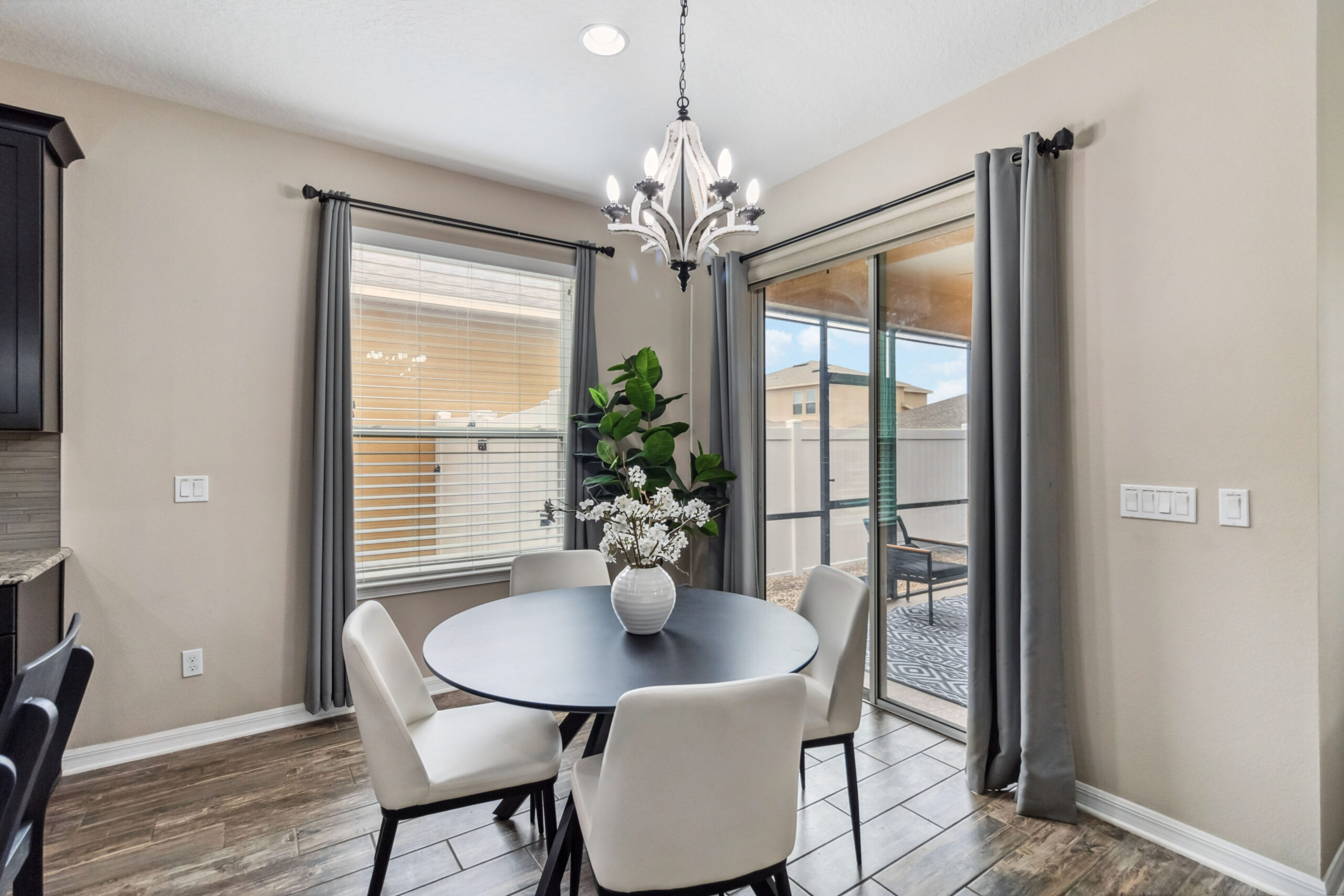
Key Takeaways: Home staging mistakes to avoid include overcrowding rooms, using poorly sized furniture, leaving personal decor on display, and overlooking repairs, lighting, and curb appeal. Before listing, declutter, depersonalize, create clear furniture layouts, fix visible issues, and style each room to highlight its best features while helping buyers picture themselves living there.
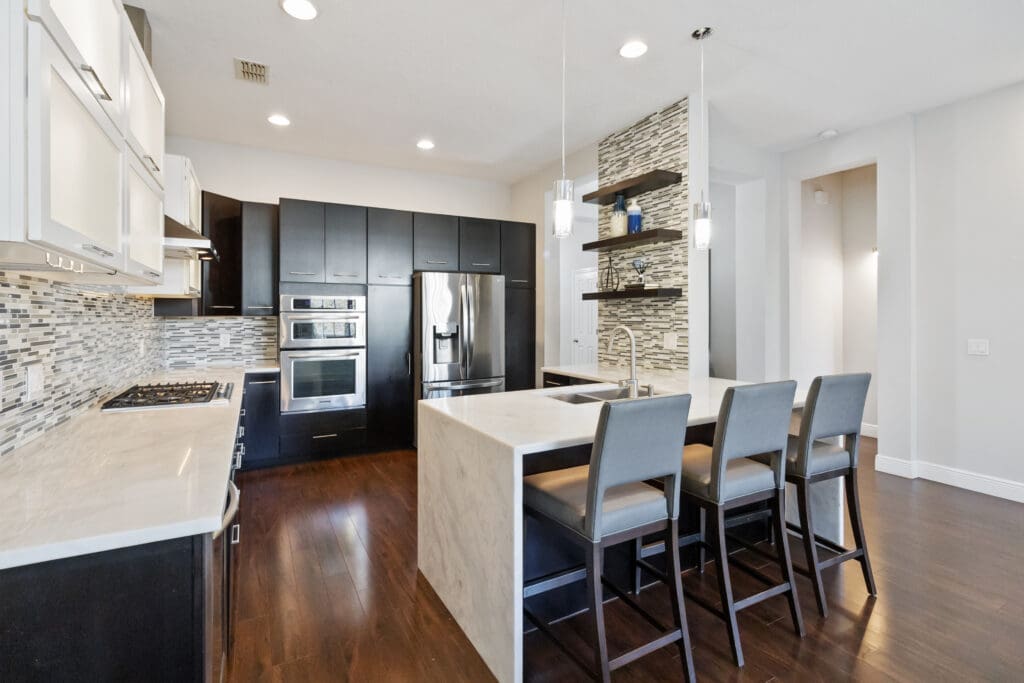
When you’re preparing to sell your home, the way it looks and feels can influence how buyers perceive the entire property. From the moment someone sees your listing photos to the moment they walk through the front door, every detail contributes to their first impression.
Understanding the most common home staging mistakes to avoid can help you prepare your property with a clearer strategy and avoid details that may distract buyers.
That’s why home staging matters. It helps buyers understand how a space can be used, recognize its best features, and picture themselves living there. But staging isn’t simply about adding trendy furniture, neutral decor, or a few decorative pillows. The wrong choices can make rooms feel smaller, distract from the home’s best features, or leave buyers wondering whether the property has been properly maintained.
Whether you’re preparing an occupied home for sale or staging a vacant property, here are 12 home staging mistakes to avoid before your listing goes live.
1. Leaving Too Much Personal Decor on Display
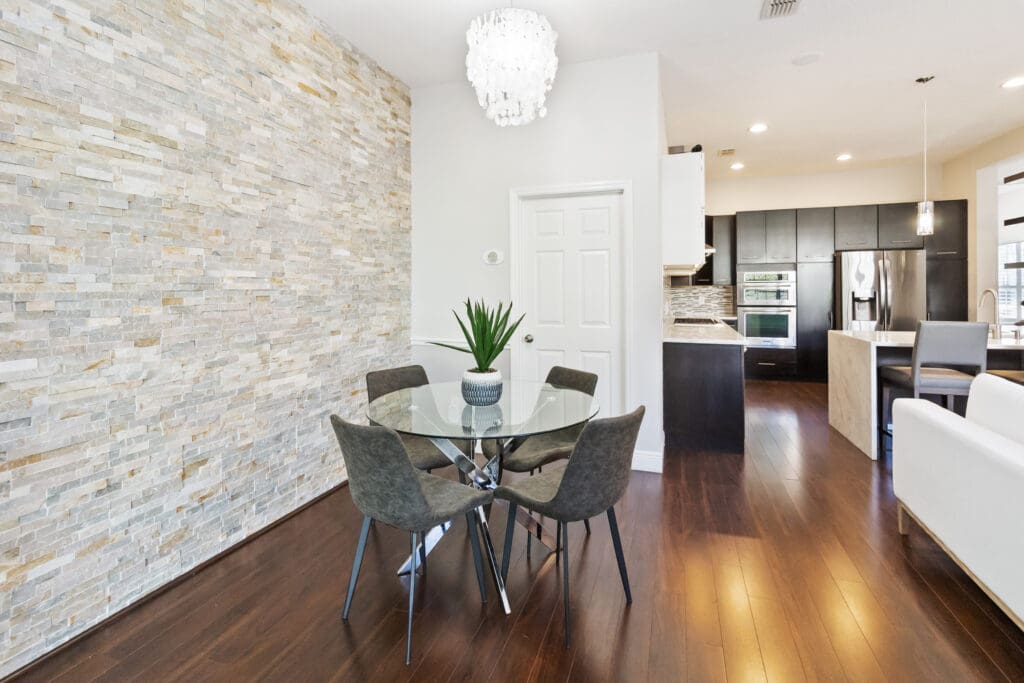
Your home should reflect the people who live there. But when you’re preparing to sell, it’s important to create enough distance between your personal style and the space buyers are trying to imagine as their own.
Family photos, diplomas, children’s artwork, personal collections, and highly personalized decor can make it harder for buyers to connect with the home. Instead of imagining where their furniture might go or how they’d use a room, they’re looking at someone else’s memories and belongings.
You don’t have to remove every decorative detail or make your home feel completely impersonal. The goal is to create a welcoming environment without making the home feel like a personal scrapbook.
What to do instead:
- Pack away most family photos and personal mementos.
- Remove highly personalized collections and displays.
- Keep a few tasteful accessories that add warmth and character.
- Use artwork and decor that complement the home without overpowering it.
- Give buyers room to imagine their own belongings in the space.
Think of depersonalizing as editing, not erasing. A thoughtfully styled home can still feel warm and inviting without revealing every detail of the current owner’s life.
2. Using Furniture That’s Too Large or Too Small for the Room
Furniture scale is one of the most important parts of successful home staging, and it’s also one of the easiest details to get wrong.
Furniture scale is one of the home staging mistakes to avoid because even beautiful pieces can work against a room when they don’t fit its dimensions.
An oversized sectional might be comfortable for everyday living, but it can make a smaller living room feel cramped. A dining table that’s too large can interrupt the flow of an open-concept layout. On the other hand, furniture that’s too small may leave a room feeling awkward, empty, or unfinished.
The goal is to show buyers how much usable space a room offers. If furniture overwhelms the room, buyers may assume the space is smaller than it actually is. If the furniture is disproportionately small, they may struggle to understand how the room should function.
What to do instead:
- Measure rooms before selecting or arranging furniture.
- Choose pieces that complement the room’s dimensions.
- Make sure doors, walkways, and natural traffic paths remain clear.
- Avoid pushing too many large furniture pieces into one space.
- Use appropriately sized rugs, artwork, and lighting to create balance.
Good staging considers the entire room, not just the individual furniture pieces. Every item should work together to create a layout that feels natural and functional.
3. Overcrowding Rooms With Furniture and Accessories

More furniture and decor don’t necessarily make a home feel more complete. In fact, too much of either can make a room feel smaller, busier, and less inviting.
A living room filled with extra chairs, oversized coffee tables, stacks of decorative books, and too many throw pillows can distract buyers from the space itself. The same goes for countertops covered in appliances, shelves filled with accessories, and bedrooms with unnecessary furniture.
Buyers want to understand how they’ll use a room. When every surface and corner is occupied, it’s harder for them to see the possibilities.
What to do instead:
- Remove furniture that isn’t necessary for the room’s function.
- Clear kitchen and bathroom countertops.
- Edit decorative accessories instead of displaying everything you own.
- Remove excess throw pillows and blankets.
- Leave enough open space for buyers to move comfortably.
There’s a difference between a room that feels empty and one that feels intentionally edited. Good staging finds the balance between the two. The space should feel inviting without competing with itself for attention.
4. Choosing Decor That’s Too Bold, Trendy, or Taste-Specific
Your favorite design choices might not be everyone’s favorite, and that’s okay. But when you’re selling, the goal is to appeal to a broad range of potential buyers.
Highly specific artwork, bold patterns, controversial decor, and overly themed rooms can distract buyers from the home itself. A buyer who doesn’t connect with a particular design choice may have a harder time imagining the room with their own style.
This doesn’t mean every home needs to be beige, white, and completely without personality. Neutral staging can still incorporate color, texture, contrast, and interesting details. The key is knowing where and how to use them.
What to do instead:
- Use a cohesive color palette throughout the home.
- Choose artwork that complements the space without dominating it.
- Incorporate texture through rugs, pillows, bedding, and natural materials.
- Limit highly specific themes or statement pieces.
- Use accessories to add interest without making the home feel overly personalized.
Neutral doesn’t have to mean boring. A well-designed space can feel elevated and memorable while still allowing buyers to imagine making it their own.
5. Ignoring the Condition of the Home
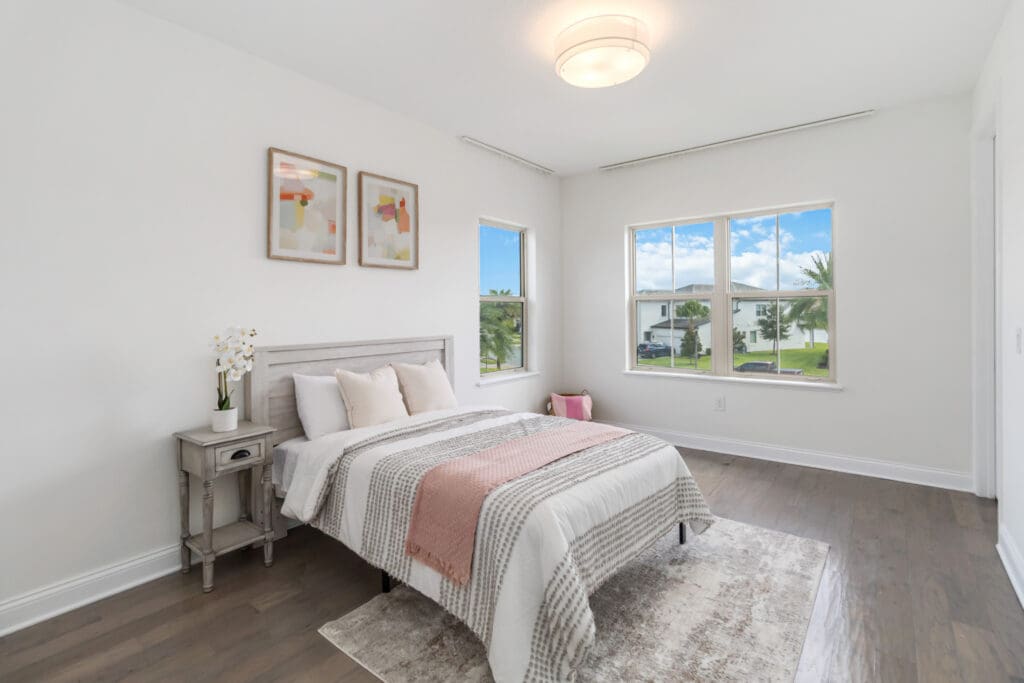
Beautiful furniture can’t make up for visible maintenance issues. In fact, staging a home without addressing obvious problems can sometimes make those problems stand out even more.
Ignoring maintenance is one of the most important home staging mistakes to avoid. Buyers notice when a home looks polished but still has visible issues that need attention.
A freshly styled living room won’t distract buyers from damaged flooring, chipped paint, cracked tile, leaking faucets, or broken fixtures. And while covering up an issue might make it less noticeable during a showing, it won’t make the problem disappear.
Home inspections can uncover issues that weren’t immediately visible, potentially creating delays or difficult negotiations later. Being proactive about repairs helps build confidence and prevents buyers from wondering what else might have been overlooked.
What to do instead:
- Repair visible damage before staging.
- Touch up chipped or peeling paint.
- Address leaking faucets and faulty fixtures.
- Replace burned-out light bulbs.
- Repair damaged flooring, loose hardware, and broken doors.
- Make sure the home is clean and well-maintained.
Staging and property preparation should work together. A beautifully presented home makes a stronger impression when the details behind the design are in good shape, too.
6. Neglecting Curb Appeal and the Entryway
Your home’s first impression starts before buyers walk through the front door. If the exterior looks neglected, buyers may begin the showing with concerns about the property’s overall condition.
Overgrown landscaping, dirty walkways, peeling paint, cluttered porches, and an uninviting entryway can make a home feel less cared for before buyers have even stepped inside.
The entryway is particularly important because it sets the tone for the rest of the showing. A clean, welcoming entrance helps buyers transition into the home and creates a more positive first impression.
What to do instead:
- Trim overgrown landscaping and remove weeds.
- Pressure wash dirty driveways, walkways, and exterior surfaces where appropriate.
- Clean the front door and update its paint if needed.
- Replace worn welcome mats.
- Remove unnecessary items from the porch.
- Make sure exterior lighting and visible fixtures are clean and working.
You don’t necessarily need an expensive landscaping project to improve curb appeal. Sometimes, a thorough cleanup and a few thoughtful updates can make a noticeable difference.
7. Overlooking Lighting and Window Treatments
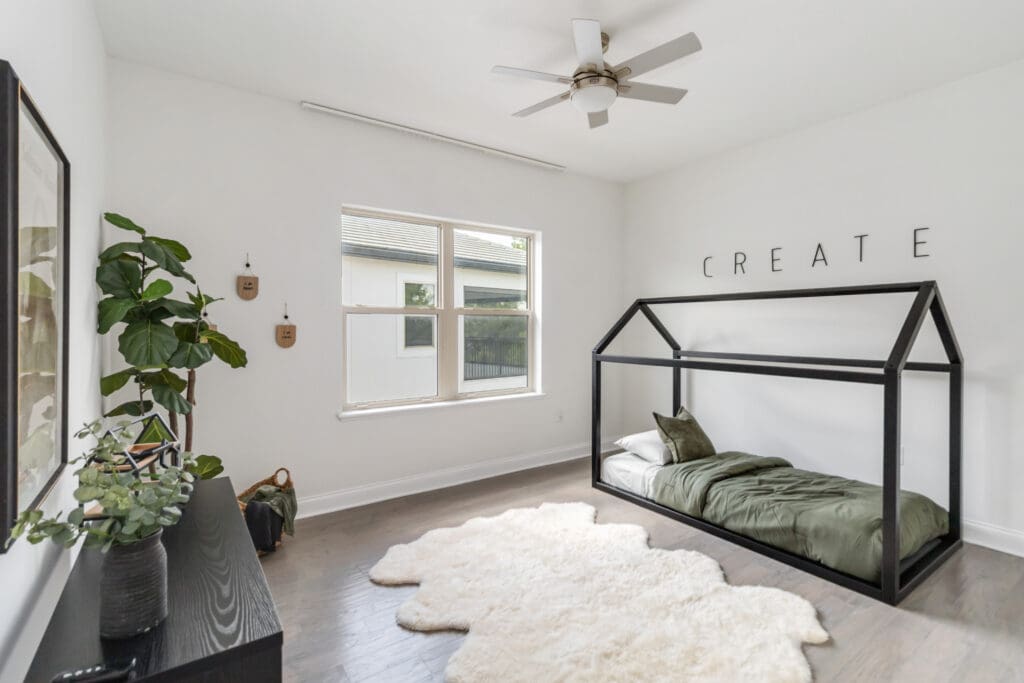
Lighting can completely change how a room looks and feels. A space that appears dark in listing photos may seem smaller, less inviting, or less functional than it actually is.
Overlooking lighting is another home staging mistake to avoid, especially when buyers are forming their first impression through listing photos.
Heavy curtains, closed blinds, dirty windows, mismatched light bulbs, and poorly placed lamps can all work against an otherwise well-staged room.
Natural light is especially important because it helps rooms feel open and welcoming. Artificial lighting should complement that natural light rather than create harsh shadows or inconsistent color throughout the home.
What to do instead:
- Open blinds and curtains before photos and showings.
- Clean windows to allow as much natural light in as possible.
- Replace burned-out bulbs.
- Use consistent lighting temperatures throughout connected spaces.
- Add lamps to darker corners where appropriate.
- Remove heavy or outdated window treatments when they make a room feel closed off.
Pay attention to how lighting looks at different times of day. A room that photographs beautifully in the morning may need additional lighting for an evening showing.
8. Forgetting About Smells and Other Sensory Details
A home can look beautiful and still leave a negative impression if it doesn’t smell fresh. Pet odors, smoke, cooking smells, garbage, and musty spaces can distract buyers from everything else you’ve worked to prepare.
One common mistake is trying to cover unwanted odors with strong candles, sprays, or air fresheners. Heavy fragrances can be overwhelming, especially for buyers with allergies or sensitivities. They can also make people wonder whether something is being covered up.
Instead of adding another scent to the room, focus on eliminating the source of the problem.
What to do instead:
- Clean carpets, rugs, and upholstery as needed.
- Wash pet bedding and clean litter boxes.
- Empty trash cans before showings.
- Address musty areas and investigate possible moisture issues.
- Clean kitchen surfaces and appliances.
- Avoid strong fragrances and heavily scented air fresheners.
The goal is for the home to feel clean and comfortable, not heavily perfumed. A fresh-smelling space allows buyers to focus on the home rather than wondering about an unpleasant odor.
9. Styling Shelves and Surfaces With Generic, Repetitive Decor
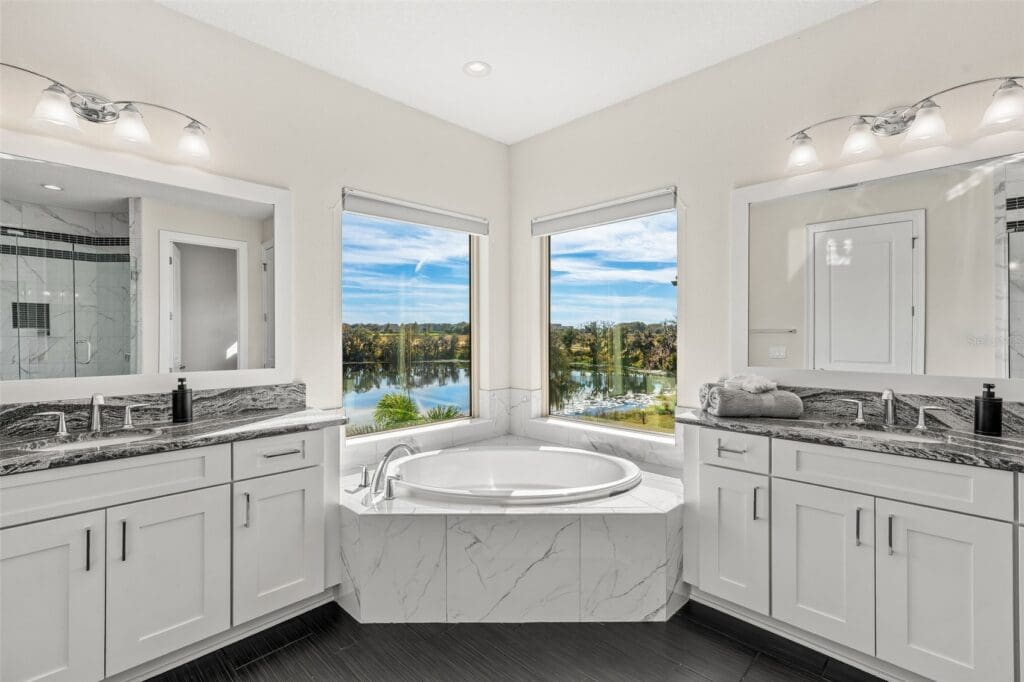
Decorative accessories can make a room feel finished, but repeating the same trendy objects throughout the home can have the opposite effect.
If every shelf has the same combination of stacked books, a small vase, decorative beads, and a knot-shaped accessory, the home can start to look like a furniture showroom rather than a thoughtfully designed space.
The same applies to coffee tables, kitchen counters, and bathroom vanities. Filling every surface with matching decorative objects can make the styling feel forced and overly generic.
Books are another detail worth considering. Turning books backward to hide their titles might create a uniform appearance, but it can also make a bookshelf feel less natural and more like a collection of props.
What to do instead:
- Mix different heights, shapes, and textures.
- Use a combination of books, artwork, pottery, and simple accessories.
- Leave some open space between decorative groupings.
- Display books naturally instead of hiding their titles.
- Incorporate a few meaningful or distinctive objects when appropriate.
- Avoid repeating the exact same styling formula in every room.
A thoughtfully styled home doesn’t need to look like a catalog. The best spaces feel intentional and collected without being cluttered or overly personal.
10. Staging for Listing Photos Instead of the Actual Buyer Experience
Listing photos are often a buyer’s first introduction to a property, so it’s important that your home photographs well. But staging exclusively for the camera can create problems when buyers arrive in person.
Staging only for the camera is one of the home-staging mistakes to avoid when preparing your property for sale. The home should look appealing online and feel functional in person.
A furniture arrangement might look attractive from one specific camera angle but leave very little room to walk through the space. Decorative accessories might make a room look complete in photos while getting in the way of everyday functionality.
The goal isn’t just to create beautiful images. It’s to make sure the home feels just as inviting when someone walks through the front door.
What to do instead:
- Arrange furniture to create natural conversation areas.
- Keep walkways and entrances clear.
- Make sure each room has an obvious purpose.
- Avoid blocking windows, architectural features, or important sightlines.
- Check how the room looks from multiple angles, not just the camera’s perspective.
- Walk through the home as if you’re seeing it for the first time.
Strong staging supports both photography and the showing experience. Buyers should be able to appreciate the home’s best features online and understand its layout when they visit in person.
11. Leaving Holiday Decorations or Seasonal Items Up Too Long
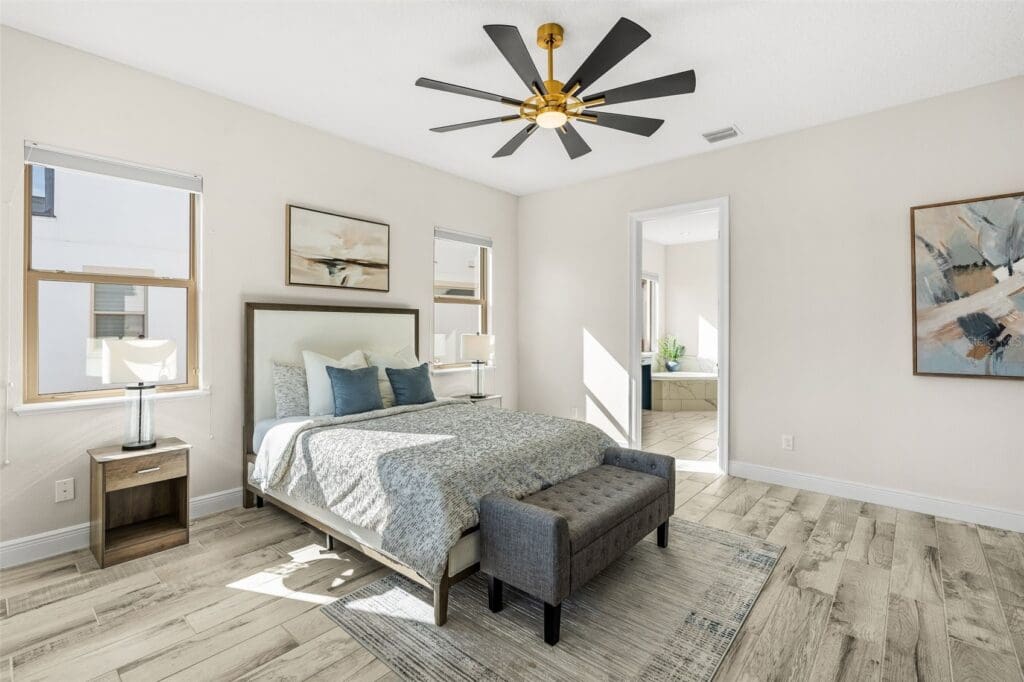
Seasonal decorations can make a home feel festive and inviting, but they can also become a distraction when you’re trying to sell.
Holiday decorations in listing photos may make the property feel dated if the home remains on the market after the season has passed. Overly themed decor can also draw attention away from the home’s actual features.
This doesn’t mean you have to avoid decorating altogether. It simply means keeping the presentation appropriate for the time of year and the length of your listing.
What to do instead:
- Remove holiday decorations before listing photos whenever possible.
- Keep seasonal accessories simple and understated.
- Avoid decorations that dominate a room.
- Choose styling that will still look appropriate if the home takes longer to sell.
- Keep the focus on the home’s architecture, layout, and best features.
Timeless styling gives your listing more flexibility. You don’t want your marketing photos to look like they belong to a different season by the time buyers are touring the property.
12. Staying Home or Leaving Personal Items Out During Showings
Once your home is listed, it’s important to remember that showings are an opportunity for buyers to explore the property and imagine living there.
Having the seller present can make buyers feel uncomfortable or rushed. They may hesitate to open closets, discuss the home’s layout, or take the time they need to consider the space.
Personal belongings can also create unnecessary distractions or privacy concerns during showings.
What to do instead:
- Plan to leave the home during scheduled showings.
- Put away medications, valuables, paperwork, and personal documents.
- Secure sensitive information and anything you don’t want visitors handling.
- Make beds and tidy up before leaving.
- Put away pet supplies and personal items when possible.
- Keep the temperature comfortable and lighting ready for visitors.
Give buyers the space to explore. The more comfortable they feel moving through the home, the easier it is for them to focus on its features and possibilities.
How to Avoid These Home Staging Mistakes Before Listing
Knowing what not to do is a good start, but preparing a home for the market can feel overwhelming when you’re looking at every room, closet, and surface at once.
Knowing the home staging mistakes to avoid is helpful, but having a plan for addressing them makes the preparation process much more manageable.
The best approach is to work through the home intentionally rather than trying to change everything at the same time.
Here are a few practical steps to get started:
1. Walk through your home with a buyer’s perspective.
Look at each room as if you’ve never seen it before. What catches your attention first? Are there areas that feel crowded, dark, or unfinished? Are the home’s best features easy to notice?
2. Declutter and depersonalize.
Pack away excess belongings, personal photos, collections, and anything that distracts from the space. Focus on creating a clean foundation while keeping the home warm and welcoming.
3. Address repairs and maintenance.
Take care of visible issues before introducing furniture and accessories. Fresh paint, working fixtures, clean flooring, and well-maintained surfaces help the home feel cared for.
4. Evaluate furniture scale and layout.
Make sure the furniture fits the room and supports how the space should function. Remove unnecessary pieces and create clear walking paths.
5. Pay attention to lighting and presentation.
Open window treatments, clean windows, replace bulbs, and make sure each room feels bright and inviting. Don’t forget the exterior and entryway.
6. Think about the entire showing experience.
Consider what buyers will see, hear, smell, and experience as they move through the home. Small details can influence how comfortable and welcoming the property feels.
7. Get an outside perspective.
It’s easy to become accustomed to your own furniture, decor, and layout. A professional stager can identify opportunities you might overlook and help prioritize the changes that will have the greatest impact.
Most importantly, remember that every home is different. A vacant property, an occupied family home, and a luxury listing will have different staging needs. The right plan should reflect the home itself and the buyers you’re hoping to attract.
Should You Hire a Professional Home Stager?
Not every home needs a complete transformation, but nearly every home can benefit from a thoughtful evaluation before going on the market.
A professional home stager can help identify home staging mistakes to avoid that you might overlook when you’re too familiar with your own space. An objective perspective can make it easier to see what needs adjusting before buyers walk through the door.
One of the biggest advantages of working with a professional home stager is getting an objective perspective. When you’ve lived in a home for years, it’s easy to overlook things that a buyer might notice immediately. A stager looks at the property differently, identifying what should be removed, rearranged, updated, or added to help the home make a stronger impression.
Professional staging can also help sellers avoid spending money on changes that aren’t necessary. Instead of replacing every piece of furniture or purchasing an entirely new collection of decor, a stager can determine what the home actually needs.
Depending on the property, that might mean:
Vacant staging: Furnishing and styling an empty property to demonstrate how rooms can be used, establish scale, and help buyers understand the layout.
Occupied staging: Working with the homeowner’s existing furniture and belongings to improve the layout, edit decor, and prepare the home for photography and showings.
Partial or hybrid staging: Combining existing furnishings with carefully selected rental furniture, artwork, accessories, or other pieces to elevate specific rooms without staging the entire property.
The right approach depends on the home’s condition, layout, price point, target buyer, and marketing strategy. There isn’t one staging package that makes sense for every property.
At Atipical Design Co, staging starts with understanding the end goal. Sometimes a home needs a complete furnishing plan. Other times, a few strategic changes to the furniture layout, styling, and accessories can make all the difference.
The goal isn’t to make every home look the same. It’s to bring out what makes each property worth considering.
Frequently Asked Questions About Home Staging Mistakes
What is the biggest home staging mistake sellers make?
One of the biggest mistakes is failing to create a clear, inviting environment where buyers can picture themselves living. Too much personal decor, overcrowded rooms, poorly sized furniture, and distracting design choices can make it harder for buyers to connect with the property. Effective staging highlights the home’s best features while allowing buyers to imagine their own lives there.
What should you remove from your house when staging it for sale?
Start by removing excess furniture, family photos, personal collections, unnecessary countertop items, and decor that feels overly specific to your taste. You should also pack away valuables, medications, paperwork, and other personal belongings before showings. The goal is to create a clean, open presentation without making the home feel empty.
Can too much furniture hurt a home sale?
Yes. Too much furniture can make rooms feel smaller, block natural walking paths, and prevent buyers from understanding how a space functions. Removing unnecessary pieces can help highlight the room’s dimensions and make the layout feel more open.
Should you decorate your home in neutral colors before selling?
Neutral colors can help create a cohesive backdrop that appeals to a wider range of buyers, but that doesn’t mean every room needs to be completely beige or white. Thoughtful use of color, texture, artwork, and accessories can make a home feel warm and memorable without being overly personalized.
Does professional staging really make a difference?
Professional staging can help buyers understand a home’s layout, recognize its best features, and connect with the space. A professional stager can also identify issues with furniture scale, room flow, and presentation that homeowners may not notice. The right staging plan depends on the property and its target buyer.
Should you stage every room in your house?
Not necessarily. The most important spaces to prioritize are typically the main living areas, kitchen, primary bedroom, and other rooms that help buyers understand the home’s layout and functionality. However, secondary bedrooms, offices, and flexible spaces should still feel clean and purposeful. The best approach depends on the property and its marketing goals.
What should you avoid before a home showing?
Avoid leaving dirty dishes, cluttered countertops, personal belongings, strong fragrances, pet odors, and unnecessary furniture on display. Make beds, open blinds, turn on appropriate lights, empty trash cans, and give buyers room to explore without the seller being present.
Is it worth staging a home that’s already furnished?
Absolutely. A furnished home can still benefit from professional staging. Existing furniture may need to be rearranged, edited, or supplemented with additional pieces to improve scale, flow, and visual appeal. Occupied or partial staging can be a practical way to improve the presentation without replacing everything.
Good Staging Helps Buyers See the Potential
The goal of home staging isn’t to create a picture-perfect room that looks like it belongs in a magazine. It’s to help buyers recognize the potential of a property and feel comfortable imagining themselves living there.
Knowing the home staging mistakes to avoid is a great starting point, but successful staging goes beyond following a checklist. It’s about making thoughtful decisions that highlight your home’s best features and help buyers connect with the space.
Avoiding common staging mistakes like overcrowding, poor furniture placement, overly personal decor, and neglected maintenance can make a meaningful difference in how your home is presented.
And remember, staging doesn’t have to mean starting over. Sometimes the most effective changes are the ones that make better use of what you already have.
If you’re preparing to sell your home in Central Florida, Atipical Design Co can help you create a staging plan that makes sense for your property, your target buyer, and your selling goals. From vacant staging to occupied and partial staging, every detail is considered with intention.
Ready to prepare your home for the market? Contact Atipical Design Co to request a staging quote.
📲 Call or text 407-279-0448
📧 Email info@atipicaldesignco.com
🌐 Visit www.atipicaldesignco.com to start your Orlando home-staging journey.
- Fall Room Ideas: 15 Easy Ways to Make Your Home Feel Cozy for Autumn
 Key Takeaways: Fall room ideas don’t have to mean covering your home in pumpkins and orange. Start with warm colors, cozy textures, soft lighting, natural elements, and a few seasonal swaps to make every room feel inviting for autumn. There’s something about fall that makes you want your home to feel a little softer, warmer,… Read more: Fall Room Ideas: 15 Easy Ways to Make Your Home Feel Cozy for Autumn
- Why Do Interior Designers Cost So Much? The True Value of Interior Design
 It’s one of the most common questions homeowners and business owners ask when beginning a design project: Why do interior designers cost so much? At first glance, interior design can seem expensive. When people think about hiring an interior designer, they often picture selecting paint colors, choosing furniture, and styling accessories. But professional interior design… Read more: Why Do Interior Designers Cost So Much? The True Value of Interior Design
- 5 Trendy Ways to Use Texture in 2026 Interior Design
 If a space feels flat, it’s usually not the furniture. It’s the lack of texture. In 2026 interior design, texture is doing most of the work. It’s what makes a room feel layered, finished, and easy to connect with Here are 5 trendy ways to use texture in 2026 that actually make a difference 1.… Read more: 5 Trendy Ways to Use Texture in 2026 Interior Design
- How to Find Your Interior Design Style (Step-by-Step Guide)
 If you’ve ever saved a dozen different home photos and thought, “Why do I like all of these?”—you’re not alone. Learning how to find your interior design style isn’t about fitting into one category. It’s about creating a home that feels like you. At Atipical Design Co., we help clients turn scattered inspiration into a… Read more: How to Find Your Interior Design Style (Step-by-Step Guide)
- How to Sell My House Fast: 10 Design Tips That Actually Work
 If you’re asking yourself, “How can I sell my house fast?” you’re not alone. In competitive markets like Orlando, Winter Park, and Windermere, buyers make decisions quickly. Often, they decide within seconds of walking through the front door (or scrolling photos online). The good news?You don’t need a full renovation to sell faster. Strategic design… Read more: How to Sell My House Fast: 10 Design Tips That Actually Work
Leave your thoughts: