
The Takeaway: The biggest fall decor trends of 2026 are rich jewel tones, dark wood, layered vintage rugs, handmade accents, moody florals, and cozy textures like velvet, wool, fringe, and jacquard. Instead of buying more pumpkins, matching furniture, or seasonal knickknacks, refresh your home with plum or olive pillows, a bowl of pears or plums, mixed metal accents, warm layered lighting, and vintage pieces you already own. Start small, mix old with new, and choose colors and textures you can enjoy long after fall ends.
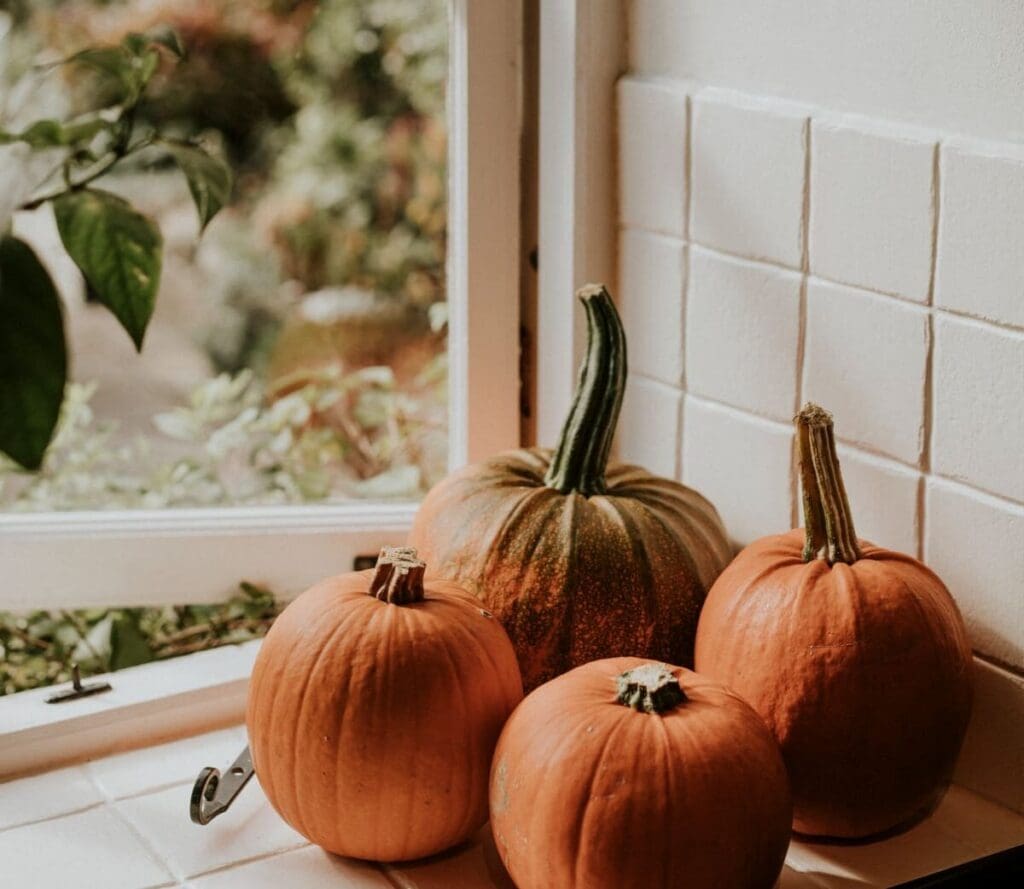
Fall decorating is getting a more sophisticated makeover in 2026. Instead of filling every room with pumpkins, orange leaves, and themed accessories. The biggest fall decor trends for 2026 are all about rich colors, layered textures, and interiors that feel personal rather than overly seasonal.
Think deep plum instead of predictable pumpkin orange, rich walnut instead of pale wood everywhere, vintage rugs layered over natural-fiber foundations, and soft velvet paired with polished metals. Small details like decorative fringe, sculptural lighting, dark botanical prints, and well-loved vintage pieces are making interiors feel thoughtfully collected rather than decorated for a single season.
The best part? You don’t need to replace your furniture or spend a fortune to get the look. Unlike fleeting seasonal fads, the best fall decor trends focus on pieces and materials you can enjoy throughout the year. A few carefully chosen changes can transform your living room, bedroom, or entryway, and many of these updates will look just as beautiful in winter and beyond.
Whether you’re ready to embrace the latest designer-inspired ideas or want to know which familiar fall decorating habits to reconsider, here’s your guide to the fall decor trends of 2026, including what’s in, what’s out, and what to try instead.
Fall Decor Trends 2026 at a Glance: What’s In and What’s Out
The biggest shift this year is toward decorating with color, material, and personality rather than relying on obvious seasonal motifs. Traditional fall decorations aren’t forbidden, but designers are increasingly finding ways to make a home feel autumnal without making it look like a holiday display.
| What’s in for fall 2026 | What to reconsider | What to try instead |
| Plum, oxblood, and olive green | Orange-and-yellow everywhere | Deep, nuanced color accents |
| Walnut and espresso wood | Matching furniture sets | Mixed wood tones and vintage pieces |
| Layered vintage rugs | One flat, predictable rug | Pattern over a neutral foundation |
| Handmade ceramics and folk art | Mass-produced seasonal accessories | Artisan and secondhand finds |
| Dark florals and botanical prints | Generic autumn still-life art | Moody, year-round artwork |
| Fringe, tassels, and jacquard | Texture used only for obvious coziness | Decorative, tactile details |
| Reflective accents and layered lighting | A single overhead light | Lamps, mirrors, and candlelight |
| Intentional entryways and wellness corners | Spaces designed only to look good | Beauty combined with everyday function |
| Personal, lived-in interiors | Perfectly coordinated rooms | A mix of old, new, and meaningful objects |
These aren’t strict rules about what’s fashionable or outdated. If you love decorating with pumpkins or prefer a matching furniture set, there’s no reason to abandon it. The goal is to borrow the ideas that suit your home, your budget, and your personal style.
1. Jewel-Toned Colors Are In; Predictable Autumn Palettes Are Out

Among the standout fall decor trends, jewel-toned colors like plum, oxblood, and olive green offer an easy way to create a cozy, sophisticated atmosphere.
The Fall Colors to Know in 2026
The standout shades include rich plum, oxblood, burgundy, chocolate brown, olive green, and moss. These colors feel grounded and enveloping, particularly when used in tactile materials such as velvet, mohair, wool, and richly textured upholstery.
Cobalt blue adds an unexpected jolt of color, while tobacco brown and muted terracotta bring warmth without making a room feel overly themed. Dark green works beautifully with walnut and natural stone, while plum and burgundy create a striking contrast against silver or polished nickel.
You don’t have to use all these colors together. Choose two or three that complement your existing finishes, then introduce a lighter neutral to keep the room balanced.
For example, try an olive-green sofa with cream cushions and walnut furniture. Or pair burgundy textiles with chocolate-brown wood and a few polished silver accents. If your home is primarily neutral, a plum velvet cushion or a moss-green lampshade may be all you need.
What to Try Instead of Traditional Orange and Yellow
Rather than building an entire room around classic autumn colors, use richer shades to create a subtle seasonal shift.
Try these combinations:
- Plum and silver: Deep purple accents paired with reflective metal create a dramatic, elegant look.
- Olive and cream: A natural, understated combination that works particularly well with wood and linen.
- Oxblood and walnut: Rich, traditional, and ideal for living rooms or studies.
- Chocolate brown and muted terracotta: Warm and earthy without feeling overly rustic.
- Cobalt blue and tobacco: A more unexpected combination for anyone who enjoys a bolder interior.
The trick is to let color do the seasonal work. A burgundy throw, dark floral cushion, or olive-green arrangement can make a room feel ready for fall without adding a single pumpkin motif.
How to Add Rich Color Without Repainting a Room
Start with removable accents rather than committing to a new wall color. Swap lightweight summer cushion covers for velvet or jacquard versions, introduce a deeper-colored throw, or display artwork with darker botanical tones.
You can also use books, ceramics, vases, and lampshades to repeat your chosen colors throughout the room. Repetition creates cohesion, even when the individual pieces are different.
If you’re unsure which color to choose, begin with one accent that complements your sofa, rug, or existing wood finishes. Live with it for a few days before adding anything else. This approach keeps your decorating intentional and makes it less likely that you’ll buy pieces that don’t work together.
2. Natural Wood and Vintage Finishes Are In; Perfectly Matched Furniture Is Out
One of the most versatile fall decor trends is the return of dark wood, mixed metal finishes, and vintage furniture that give a room more character. Darker timber, vintage finishes, and a mix of materials are bringing depth back to furniture and cabinetry.
Why Dark Wood Is Making a Comeback
Walnut, espresso oak, and wenge introduce richness and visual weight. Their darker finishes can make a space feel more intimate, especially when paired with warm lighting and soft textiles.
The contrast with other materials is what makes these woods particularly versatile. Dark wood alongside pale limestone or creamy marble feels crisp and tailored. Pair it with dark stone, burgundy, or deep green, and the atmosphere becomes more dramatic.
You don’t need a room full of dark furniture to embrace this trend. A walnut side table, espresso-stained picture frame, vintage cabinet, or dark wood tray can anchor a lighter room.
If your home already has pale oak floors or light cabinetry, keep them. The goal isn’t to replace every surface, but to introduce contrast and make the existing palette feel more layered.
Mix Wood Tones, Metals, and Stone for a Collected Look
Perfectly matching finishes can make a room feel as though everything was purchased from one showroom. Mixing materials gives the space a more natural, collected quality.
Brass remains a useful accent, but it doesn’t have to dominate every fixture and accessory. Try combining it with polished nickel, vintage silver, or darkened metal. A brass lamp can sit comfortably beside a silver bowl when the surrounding colors and shapes help connect the two.
Stone is another useful counterpoint. A marble tabletop, limestone accessory, or ceramic vase adds a different texture to the warmth of wood and the shine of metal.
A simple formula is to choose one dominant wood tone, one or two metal finishes, and a contrasting natural material. Repeat each at least once so the room feels considered rather than random.
What to Try Instead of Buying a Matching Furniture Set
Keep the pieces you already love and introduce something with a different history or finish. Pair a contemporary sofa with a vintage side table, place an antique cabinet in a modern room, or combine a traditional wooden dining table with simpler contemporary chairs.
Secondhand furniture is especially useful here because slight differences in color, wear, and craftsmanship create the layered effect naturally.
Before buying anything, move a few pieces between rooms. A dark wood stool that feels out of place in the bedroom might become the perfect accent beside a living room armchair. Sometimes the most effective update is simply seeing familiar furniture in a new context.
3. Layered Rugs Are In; Flat, One-Note Floors Are Out

Layering rugs is one of the fall decor trends that can instantly make a living room feel warmer and more collected. Layering introduces pattern, texture, and a sense of history, helping a room feel assembled over time instead of completed all at once.
How to Layer a Vintage Rug Over a Neutral Base
Start with a larger, relatively quiet rug made from a natural fiber or a simple woven material. Jute, sisal, and understated wool designs can all work, provided the texture and color suit your room.
Then place a smaller patterned rug over it. Vintage Turkish and Oushak-inspired designs are particularly effective because their faded colors and irregular patterns add character without necessarily overwhelming the space.
Look for rugs with softened shades of dusty rose, tobacco, terracotta, celadon, olive, and cream. These colors work naturally with the deeper palette of fall 2026.
Layering also helps an older rug feel more at home in a contemporary interior. The neutral foundation creates a visual boundary, while the top rug supplies the color and personality.
The Best Colors and Patterns for Fall Rug Layering
The most successful combinations balance a shared color story with differences in pattern and scale.
For example, a faded terracotta rug can sit over a plain jute foundation, while an olive-and-cream vintage pattern can complement a room with walnut furniture. If your room already contains several solid-colored furnishings, a more expressive rug, including a restrained animal print, can become the focal point.
If your furniture and cushions are already heavily patterned, choose a quieter rug. Conversely, a neutral sofa and simple curtains provide room for a more detailed design.
Remember that the goal is contrast, not competition. Two rugs don’t have to match exactly, but they should share at least one color or work within the same overall palette.
How to Layer Rugs Without Making a Room Feel Cluttered
Scale matters. A very small top rug can look disconnected from the furniture, while a large, busy pattern may overpower a compact room.
Choose a base rug large enough to establish the seating or dining area. Place the smaller rug where it adds definition, under a coffee table, partly beneath a sofa, or in the center of a seating arrangement.
Keep the edges intentional, and avoid creating awkward trip hazards near doorways or walking routes. In high-traffic spaces, make sure both rugs lie flat and use appropriate rug pads.
If you’re renting or decorating on a budget, layering is also a practical way to refresh a room without buying a large, expensive statement rug. A smaller vintage find can transform a simple foundation you already own.
4. Handmade Character Is In; Mass-Produced Seasonal Decor Is Out
For homeowners who prefer meaningful details over mass-produced accessories, fall decor trends are shifting toward handmade ceramics, vintage finds, and artisan textiles. Vintage finds are bringing warmth to interiors that might otherwise feel too polished or predictable.
The appeal isn’t simply that handmade pieces look different. They often carry a story, whether that’s the work of an independent maker, a family heirloom, or an object collected during a memorable trip.
Embrace Folk Art, Artisan Pieces, and Vintage Finds
Modern folk-inspired decor celebrates craftsmanship, visible brushstrokes, irregular shapes, and traditional techniques. Think needlepoint cushions, hand-painted artwork, handmade pottery, woven tapestries, and ceramics with distinctive finishes.
These pieces don’t have to belong in a rustic or farmhouse-style home. A hand-painted vase can look striking on a sleek console, while a traditional embroidered cushion can soften a contemporary sofa.
The contrast is part of the appeal. When a handmade object sits alongside modern furniture, its texture and individuality become more noticeable.
Start small if you’re unsure how to incorporate the look. A ceramic bowl, framed folk-art print, or embroidered pillow can introduce craftsmanship without changing the overall style of your room.
Choose Patina and Imperfection Over Pristine Finishes
Perfectly smooth, spotless surfaces have their place, particularly in kitchens and bathrooms where durability matters. But in living spaces, a little wear can make a home feel more inviting.
A vintage wooden cabinet with softened edges, an antique mirror with an aged frame, or a well-loved leather chair can provide character that a brand-new piece may lack.
Patina doesn’t mean neglect. It means recognizing the beauty of materials that have aged naturally and choosing objects that become more interesting with time.
Look for secondhand furniture, vintage frames, old books, and ceramics with subtle variations. If you’re buying new, consider pieces made with natural materials and finishes that won’t look dated when the next trend arrives.
What to Try Instead of Buying More Seasonal Decorations
Before purchasing another set of fall accessories, take inventory of what you already own.
Could you re-cover an old cushion with a vintage textile? Repair a small tear in an upholstered chair? Refinish a wooden stool? Rearrange artwork to create a more interesting gallery wall?
These small projects can make a room feel refreshed while reducing unnecessary spending.
A particularly effective approach is to combine one or two new accents with pieces that already have meaning. The result feels personal rather than assembled from a seasonal shopping list.
5. Statement Florals and Botanical Art Are In; Predictable Fall Motifs Are Out

Florals aren’t disappearing from interiors in fall 2026. They’re simply becoming more dramatic. Instead of delicate spring-like prints or predictable autumn still lifes, designers are embracing darker botanical artwork, expressive patterns, and sculptural floral details.
The Moody Floral Prints Defining Fall 2026
Look for flowers against dark backgrounds, oversized botanical illustrations, abstract blooms, and patterns with strong contrast.
These designs work particularly well in rooms with neutral upholstery, dark wood, or jewel-toned accents. A botanical print with blue flowers against a nearly black background, for example, can introduce color without making a room feel busy.
Florals can also appear in unexpected places. Think a brass flower-shaped wall sconce, sculptural glass with swirling colors, or a velvet chair upholstered in a dramatic botanical print.
The key is to avoid making every floral element compete for attention. Let one piece take the lead, then support it with quieter textures and complementary colors.
What to Try Instead of Pumpkins and Traditional Autumn Still-Life Art
Pumpkins can still be part of your fall decorating routine, but they don’t have to be the centerpiece of every room.
For a more understated approach, arrange pears or dark purple plums on a glass pedestal or silver tray. Their natural colors bring a seasonal richness to a dining table, kitchen counter, or console without looking like conventional holiday decor.
You could also replace bright autumn artwork with a dark botanical print that works throughout the year. If you prefer fresh or faux flowers, aged sunflowers with muted brown centers and green foliage offer an alternative to the usual display of colorful chrysanthemums.
These swaps preserve the feeling of the season while allowing your decor to transition naturally into winter.
How to Decorate With Animal Prints Without Overdoing It
Animal prints are another way to introduce personality, particularly when the rest of a room is relatively restrained.
Tiger and zebra patterns are especially effective as small accents. Try a patterned cushion, a lampshade, a footstool, or a decorative accessory rather than covering several large surfaces at once.
For a traditional interior, a small animal-print cushion can bring energy to a neutral sofa. In a more contemporary space, a patterned rug or upholstered accent chair can create a bolder statement.
Keep the surrounding palette simple. Animal prints tend to work best when paired with solid colors, natural wood, and a few tactile fabrics rather than an abundance of competing patterns.
6. Fringe, Tassels, and Rich Textures Are In; Basic Cozy Accessories Are Out
Fall decorating naturally involves softer fabrics and warmer textures, but this season’s approach is more considered than simply adding a chunky knit blanket to every sofa. Texture plays a major role in fall decor trends this year, with velvet, wool, jacquard, fringe, and tassels adding depth without requiring a complete room makeover.
Decorative trim, substantial woven textiles, velvet, and jacquard are bringing a more tailored kind of coziness to living rooms and bedrooms.
Why Decorative Trim Is Having a Moment
Fringe and tassels are returning through an Art Deco-inspired lens. Instead of covering everything in ornate details, designers are using them selectively to give otherwise simple pieces a little drama.
A fringed ottoman, tassel-trimmed cushion, or decorative lampshade can introduce movement and texture without overwhelming the room.
The secret is balance. Pair a contemporary armchair with a fringed cushion, or place a decorative ottoman beside a streamlined sofa. The contrast between clean shapes and ornamental details keeps the result from feeling overly traditional.
You can also experiment with smaller accessories. A tassel attached to a decorative object, a fringed table runner, or a cushion with contrasting trim offers a low-commitment way to try the trend.
Swap Chunky Knit Throws for Velvet, Wool, and Jacquard
Chunky knits remain perfectly suitable for a cozy home, but they aren’t the only way to create warmth.
This fall, consider heavier wool blankets, soft mohair throws, cashmere, and patterned jacquard textiles. These materials bring depth through their weave, weight, and surface rather than relying on oversized loops or obvious seasonal motifs.
A dark floral jacquard throw in olive and burgundy can feel almost like an extension of the upholstery. A checked wool blanket introduces a classic pattern, while a mohair throw adds softness to a leather or velvet sofa.
In the bedroom, changing pillowcases and layering a heavier coverlet can make the space feel more seasonally appropriate without replacing your entire bedding set.
How to Layer Textures Without Overwhelming a Room
Think in terms of contrast rather than quantity.
Combine a soft velvet cushion with a smooth metal lamp, or place a textured wool throw on a leather sofa. Pair a rough natural-fiber rug with a polished stone coffee table. Each material becomes more noticeable because it differs from the others.
A useful starting point is to select three distinct textures: one soft, one structured, and one reflective or naturally rough.
For example, velvet cushions, a woven wool throw, and a brass table lamp can create a layered look without introducing too many patterns or colors.
If your room already contains heavily textured upholstery and rugs, keep additional accessories simpler. You want the space to feel inviting, not visually crowded.
7. Reflective Accents and Sculptural Lighting Are In; One Overhead Light Is Out

Lighting can change the entire atmosphere of a room, particularly as evenings become darker. In fall 2026, reflective finishes and sculptural lamps are being treated as integral parts of the design rather than final accessories.
Use Mirrors, Smoked Glass, and Glossy Finishes to Reflect Light
Mirrors do more than provide a place to check your reflection. Their placement, tint, and finish can influence how a room feels.
Bronze mirrors introduce warmth, while smoked or tinted glass adds depth. A large mirror opposite a window can help distribute daylight, and a strategically placed reflective surface can make a smaller room feel more open.
Glossy finishes offer another way to introduce reflection. Lacquered furniture, polished metal accessories, and high-gloss paint can add a liquid-like quality to otherwise matte interiors.
For a more subtle update, try a bronze-framed mirror, a polished silver tray, or a glass accessory on a dark wood table.
Balance is important. Too many highly reflective surfaces can feel cold or overly formal, so combine them with tactile materials such as linen, wood, stone, and soft upholstery.
Choose Statement Lamps and Layered Lighting
Rather than relying entirely on a central ceiling fixture, use several sources of light to create different moods.
A table lamp can make a reading corner feel intimate. Wall sconces add a warm glow to an entryway or fireplace wall. A floor lamp beside a sofa creates a comfortable spot for reading, while a sculptural lamp can serve as an accent even when switched off.
Tall, slender lamps are particularly useful on compact nightstands, where a bulky base can compete with books and other essentials.
Whenever possible, use warm-toned bulbs in living rooms and bedrooms, and consider dimmable fixtures to adjust the atmosphere throughout the day.
The aim isn’t to eliminate overhead lighting entirely. It’s to give yourself options so that a room feels inviting in the evening rather than uniformly bright.
What to Try Instead of Filling Every Room With Scented Candles
Candles can contribute to a cozy atmosphere, but you don’t need multiple scented candles in every room to achieve it.
Try a pair of taper candles on a dining table, a single candlestick on a bedside table, or a line of candles at varying heights along a mantel. The simple shapes add visual rhythm without introducing another fragrance into the space.
Combine candlelight with a table lamp or wall sconce to create layers of illumination.
If you enjoy scented candles, keep them where you genuinely want fragrance rather than using them as default decorative objects. Unscented tapers are particularly useful for dining areas, where a strong fragrance might compete with food.
8. Hotel-Inspired Entryways and Wellness Corners Are In; Purely Decorative Spaces Are Out
Some of the most interesting fall decorating ideas extend beyond individual accessories. Designers are thinking more carefully about how spaces welcome us, support everyday routines, and contribute to our sense of well-being.
Two areas where this approach is especially noticeable are the entryway and the home wellness space.
Create a Welcoming Entryway With Layered Lighting and Thoughtful Styling
An entryway is the first impression of your home, but it also needs to work hard. Shoes, bags, keys, and everyday essentials can quickly make it feel cluttered.
Start by addressing practical storage. A console with drawers, a small cabinet, or a basket for frequently used items can keep the area organized.
Then introduce a few elements that establish the atmosphere: a mirror, a table lamp, a piece of artwork, or a ceramic bowl for keys. If space allows, a small stool can provide a convenient place to sit while putting on shoes.
For a more sophisticated fall look, try dark wood, a bronze or vintage-style mirror, and a warm-toned lamp. A small arrangement of branches or seasonal fruit can add color without requiring a collection of themed decorations.
The boutique-hotel inspiration is about creating a sense of arrival. Even a modest entryway can feel considered when its lighting, storage, and accessories work together.
Bring Spa-Like Comfort Into Everyday Living
Wellness-inspired interiors are becoming more intentional, from calming bathrooms to dedicated spaces for relaxation and exercise.
You don’t need a full home spa, sauna, or cold plunge to borrow the idea. Begin with the space you already have.
In a bathroom, soft towels, warm lighting, natural stone accents, and a simple storage system can create a more restful environment. In a bedroom, breathable bedding, uncluttered nightstands, and gentle lighting can support a calmer evening routine.
You might also create a small reading or meditation corner with a comfortable chair, a floor lamp, and a side table.
For homeowners planning substantial renovations, a sauna or dedicated wellness suite may be worth considering. These projects require careful planning around ventilation, plumbing, electrical systems, and available space, so they deserve more thought than a typical seasonal purchase.
Prioritize Function Before Investing in Major Upgrades
A beautiful room should make everyday life easier, not introduce new complications.
Before investing in built-in wellness features or expensive furnishings, think about how you’ll use the space, what maintenance it requires, and whether it will remain useful over time.
The same principle applies to smaller purchases. A lamp that improves your evening reading routine may provide more lasting value than a decorative piece that looks good but serves no purpose.
The strongest interiors combine atmosphere with practicality. When both are considered from the start, the result is more likely to remain satisfying beyond fall 2026.
9. Personalized, Lived-In Rooms Are In; Picture-Perfect Interiors Are Out
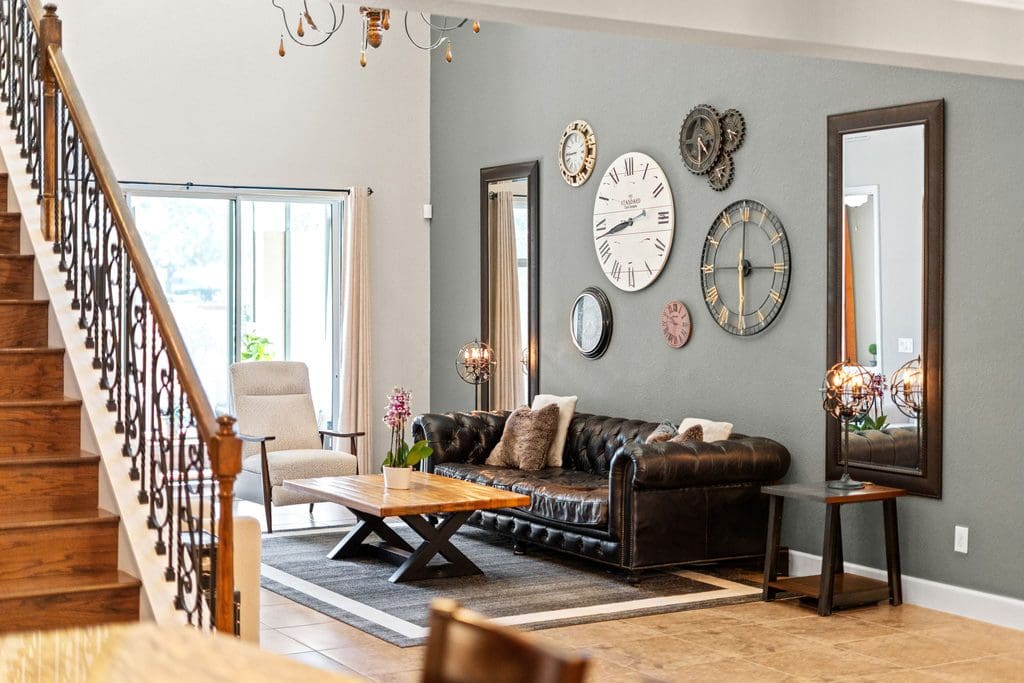
Perhaps the most important trend this season isn’t a particular color, fabric, or furniture style. It’s a broader move toward interiors that reflect the people who live in them.
After years of highly coordinated rooms and finishes chosen for broad appeal, there’s renewed appreciation for character, personal collections, architectural quirks, and objects that carry a story.
Make Room for Vintage Finds, Collections, and Meaningful Objects
Books, family photographs, inherited furniture, travel souvenirs, and original artwork can make a room feel distinctive in a way that generic accessories often can’t.
The goal isn’t to display everything at once. Instead, group a few meaningful pieces where they can be appreciated.
A bookshelf might combine favorite books with a handmade ceramic vase and a framed photograph. A coffee table might hold a small stack of art books, a vintage bowl, and a candleholder. A hallway can become a gallery for artwork collected over time.
Leave some breathing room around these objects. A thoughtfully arranged collection feels personal; a surface covered in unrelated accessories can feel cluttered.
If you don’t have a collection yet, there’s no need to rush out and buy one. Start with things you already own and add pieces gradually when you find something you genuinely love.
Mix Old and New for a Home That Feels Authentic
A lived-in interior doesn’t need to be entirely vintage or antique. In fact, combining different eras often produces a more interesting result.
A contemporary sofa can sit alongside an antique side table. Modern lighting can highlight a traditional painting. A simple dining table can be paired with mismatched chairs that share a similar scale or color.
The contrast prevents the room from feeling like a period set or a furniture showroom.
Look for connections between the pieces rather than exact matches. Repeated colors, similar shapes, and complementary materials can bring an eclectic room together.
This approach also makes decorating more flexible. You can replace one piece or introduce a new find without having to coordinate an entire matching collection.
How to Make Your Home Feel Updated Without Replacing Everything
Before shopping, try a simple room reset.
- Remove accessories that no longer feel useful or meaningful.
- Rearrange furniture to improve conversation, circulation, or natural light.
- Swap cushion covers, throws, or artwork to introduce your chosen fall palette.
- Move lamps and decorative objects from one room to another.
- Repair or refresh pieces that have become worn rather than automatically replacing them.
Even moving a chair closer to a window or restyling a bookshelf can change how a room feels.
This is the real appeal of the lived-in look: your home doesn’t need to be perfect to be beautiful. It needs to work for you and reflect what you care about.
How to Update Your Home for Fall 2026 on Any Budge
You can embrace the season’s biggest decorating ideas without buying expensive furniture or undertaking a renovation. The trick is to prioritize changes that make the most visible difference.
Under $50: Small Changes With a Big Impact
If you want an affordable refresh, focus on accessories, natural elements, and items you can easily reuse.
Consider:
- Seasonal fruit: Arrange pears or plums on a tray or pedestal you already own.
- Cushion covers: Introduce one rich color or textured fabric instead of replacing every pillow.
- Candles: Add a pair of ivory taper candles and use existing candlesticks.
- Secondhand finds: Look for vintage frames, small ceramics, old books, or decorative bowls.
- Botanical artwork: Print a botanical illustration or reframe artwork you already have.
- Small finishing touches: Rearrange your books, group accessories by color, or move a lamp to a new location.
Prices will vary by retailer and location, but these ideas can often be accomplished with a modest budget, especially if you shop your own home first.
Under $150: Refresh Your Room With Color and Texture
With a little more to spend, choose one or two upgrades that will have a noticeable effect.
A quality throw in wool or a textured blend can change the look of a sofa. A pair of velvet cushion covers can introduce a new color palette. A secondhand lamp, a framed art print, or a smaller patterned rug can also add personality.
Consider these combinations:
- An olive throw with cream cushions and walnut accents.
- A burgundy cushion paired with a vintage silver tray.
- A dark botanical print above a console table.
- A small patterned rug layered over a neutral foundation.
- A new lampshade that updates a lamp you already own.
Before purchasing, measure your space and check the colors against your existing furnishings. A carefully chosen item that works with several rooms is usually a better investment than something that only suits one seasonal arrangement.
Bigger Investments Worth Considering
If you’re planning a larger update, focus on pieces that will continue to serve you for years.
Quality lighting can transform the atmosphere of a room and provide everyday functionality. Choose fixtures that suit your space and use warm, comfortable lighting where you relax.
Durable rugs can anchor a room for many seasons. Consider the material, construction, cleaning requirements, and how much foot traffic the rug will receive before buying.
Vintage furniture can introduce character and reduce reliance on matching sets. Check the structure, dimensions, finish, and any repair needs before purchasing.
Timeless materials such as solid wood, natural stone, and well-made textiles can offer long-term value when they’re appropriate for your lifestyle and budget.
Large wellness upgrades, including saunas or dedicated spa spaces, require more planning and investment. Consider them as part of a broader home improvement project rather than a fall decorating trend to adopt immediately.
The guiding principle is simple: spend more on items you use frequently and choose less expensive accessories for experimenting with color or pattern.
How to Make Fall Decor Trends 2026 Feel Timeless
It’s easy to get carried away when every season brings a new collection of colors, finishes, and accessories. But you don’t need to incorporate all nine trends to make your home feel current.
The easiest way to make fall decor trends work in your home is to choose a cohesive color palette, mix old and new pieces, and invest in materials that look beautiful in every season.
Start with a cohesive color palette. Choose two or three shades that work with your floors, upholstery, and larger furniture pieces. Jewel tones and earthy neutrals can coexist beautifully, but repeating a few colors will help the room feel unified.
Mix new purchases with existing and vintage pieces. A contemporary lamp, a secondhand cabinet, and a well-loved chair can work together when their proportions and finishes complement one another. Avoid replacing items simply because they don’t match perfectly.
Prioritize materials and craftsmanship. Wood, wool, stone, linen, and handmade ceramics often have an appeal that extends beyond a single season. Choose materials that suit your lifestyle, including the cleaning and maintenance they require.
Use lighting to create atmosphere. Layer table lamps, floor lamps, sconces, and appropriate overhead lighting. This can make a room feel warmer and more inviting without requiring new furniture.
Choose versatile seasonal accents. Dark floral prints, textured throws, sculptural vases, and decorative cushions can remain in place after autumn. Reserve more explicitly seasonal pieces for areas where you enjoy changing your decor throughout the year.
Finally, remember that trends are inspiration, not instructions. If you love pumpkins, traditional fall colors, or chunky knit blankets, keep them. The most successful interiors borrow selectively from new ideas while retaining the pieces that make a home feel like yours.
Frequently Asked Questions About Fall Decor Trends 2026
What are the biggest fall decor trends for 2026?
The standout fall decor trends for 2026 include jewel-toned colors, dark wood, layered rugs, handcrafted and vintage pieces, dramatic floral patterns, decorative fringe, heavier textiles, reflective surfaces, layered lighting, and personalized interiors. Overall, the emphasis is on texture, depth, craftsmanship, and a collected look rather than overtly seasonal decorations.
What colors are trending for fall home decor in 2026?
Plum, oxblood, burgundy, chocolate brown, olive green, and moss are among the key colors to consider. Cobalt blue, tobacco, and muted terracotta provide additional contrast and warmth. These shades work particularly well with natural wood, cream, stone, and mixed metal finishes.
Are pumpkins out of style for fall 2026?
No. Pumpkins remain a classic seasonal decoration, and there’s no need to stop using them if you enjoy them. The shift is toward using fewer obvious autumn motifs indoors and incorporating more versatile alternatives, such as pears, plums, botanical artwork, and textured accessories. Pumpkins can still work beautifully on a porch, mantel, or dining table.
How can I decorate for fall without making my home look cluttered?
Start by choosing a cohesive color palette and introducing a few changes rather than decorating every surface. Swap lightweight textiles for richer fabrics, add one or two seasonal accents, and use layered lighting to create atmosphere. Leave open space around decorative objects and avoid buying items simply because they’re marketed for fall.
What fall decor trends are worth investing in?
Prioritize items that you’ll use regularly and that complement your home beyond the season. Quality lighting, well-made rugs, durable furniture, and versatile textiles are often worthwhile investments. Vintage pieces can also add character and longevity. For seasonal trends such as jewel tones or animal prints, smaller accessories are a lower-risk way to experiment.
How can I decorate for fall on a budget?
Shop your home before buying anything new. Rearrange furniture, restyle bookshelves, move lamps between rooms, and use existing bowls or trays to display seasonal fruit. Affordable cushion covers, thrifted ceramics, secondhand frames, and taper candles can add color and texture without a major expense. Focus on a few intentional changes rather than a complete seasonal makeover.
Embrace the Fall Decor Trends That Fit Your Home
The most compelling fall decor trends of 2026 share a common idea: a home feels more inviting when it has depth, texture, and personality.
Rich jewel tones are replacing predictable autumn palettes in many interiors. Dark wood and vintage finishes are bringing contrast to lighter spaces. Layered rugs, handcrafted objects, dramatic florals, decorative fringe, and reflective accents are adding visual interest, while layered lighting and thoughtful layouts are making rooms more comfortable to live in.
At the same time, the shift toward lived-in interiors is a reminder that beautiful design doesn’t require a perfectly coordinated room or a constant stream of new purchases.
Choose the ideas that suit your taste, budget, and existing furnishings. Start with a new throw, a darker accent color, a vintage find, or a more thoughtful lighting arrangement. Keep the seasonal pieces you love, and don’t feel pressured to follow every trend.
The best fall refresh isn’t the one that makes your home look the most on-trend. It’s the one that makes your home feel warmer, more personal, and more enjoyable to live in, this fall and long after it ends.
📲 Call or text 407-279-0448
📧 Email info@atipicaldesignco.com
🌐 Visit www.atipicaldesignco.com to start your Orlando home-staging journey.
- Fall Room Ideas: 15 Easy Ways to Make Your Home Feel Cozy for Autumn
 Key Takeaways: Fall room ideas don’t have to mean covering your home in pumpkins and orange. Start with warm colors, cozy textures, soft lighting, natural elements, and a few seasonal swaps to make every room feel inviting for autumn. There’s something about fall that makes you want your home to… Read more: Fall Room Ideas: 15 Easy Ways to Make Your Home Feel Cozy for Autumn
- Why Do Interior Designers Cost So Much? The True Value of Interior Design
 It’s one of the most common questions homeowners and business owners ask when beginning a design project: Why do interior designers cost so much? At first glance, interior design can seem expensive. When people think about hiring an interior designer, they often picture selecting paint colors, choosing furniture, and styling… Read more: Why Do Interior Designers Cost So Much? The True Value of Interior Design
- 5 Trendy Ways to Use Texture in 2026 Interior Design
 If a space feels flat, it’s usually not the furniture. It’s the lack of texture. In 2026 interior design, texture is doing most of the work. It’s what makes a room feel layered, finished, and easy to connect with Here are 5 trendy ways to use texture in 2026 that… Read more: 5 Trendy Ways to Use Texture in 2026 Interior Design
- How to Find Your Interior Design Style (Step-by-Step Guide)
 If you’ve ever saved a dozen different home photos and thought, “Why do I like all of these?”—you’re not alone. Learning how to find your interior design style isn’t about fitting into one category. It’s about creating a home that feels like you. At Atipical Design Co., we help clients… Read more: How to Find Your Interior Design Style (Step-by-Step Guide)
- How to Sell My House Fast: 10 Design Tips That Actually Work
 If you’re asking yourself, “How can I sell my house fast?” you’re not alone. In competitive markets like Orlando, Winter Park, and Windermere, buyers make decisions quickly. Often, they decide within seconds of walking through the front door (or scrolling photos online). The good news?You don’t need a full renovation… Read more: How to Sell My House Fast: 10 Design Tips That Actually Work
Leave your thoughts: