Key Takeaways: Staging an airbnb starts with focusing on high-impact spaces like the living room, bedroom, kitchen, and entryway. Prioritize durable furniture, layered lighting, intentional decor, and quality listing photos that highlight your property’s best features. Set a budget, make strategic updates, and use guest feedback to improve your rental over time.
Home staging an Airbnb is about more than choosing attractive furniture. Effectively staging an Airbnb balances visual appeal, functionality, and guest expectations.
Think about it from a guest’s perspective. They’re scrolling through dozens of properties, comparing photos, amenities, locations, and prices. A thoughtfully designed living room, a welcoming entryway, or a bedroom that looks like a boutique hotel can make your listing feel more inviting before a guest even steps through the door.
That’s where home staging for Airbnb comes in. The goal isn’t simply to decorate. It’s to create a space that photographs beautifully, functions comfortably, and delivers the experience your listing promises.
Whether you’re furnishing a vacation rental from scratch or refreshing a property that’s already welcoming guests, these Airbnb staging tips will help you make intentional design choices, spend your budget wisely, and create a rental that stands out for the right reasons.
Why Home Staging an Airbnb Matters Bookings
Staging an Airbnb can help your listing make a stronger first impression. When guests book a vacation rental, they’re purchasing an experience as much as a place to sleep. A thoughtful approach to staging an Airbnb helps guests imagine themselves enjoying the property.
An empty room can make a property feel cold or difficult to understand. A crowded room can feel smaller than it actually is. Thoughtful staging helps guests picture themselves enjoying the space, whether that’s relaxing on the sofa after a day of exploring, having coffee in a sunny kitchen, or unwinding in a comfortable bedroom.
There are several ways staging can support your Airbnb’s performance.
First impressions start with your listing photos. Most potential guests encounter your property online before they ever see it in person. Clean lines, balanced furniture arrangements, inviting textures, and intentional decor can make your photos more compelling.
Comfort influences the guest experience. A beautifully styled room won’t mean much if the sofa is uncomfortable, the lighting is harsh, or there’s nowhere to put a suitcase. Good design makes the space both attractive and easy to use.
Consistency builds trust. Your listing photos should accurately represent the property. When guests arrive and find the same inviting atmosphere they saw online, you help set realistic expectations and create a more satisfying experience.
Small details can make a stay feel more thoughtful. A well-organized coffee station, accessible bedside lighting, a convenient place for luggage, or a welcoming entryway can make everyday moments easier.
Staging doesn’t guarantee more bookings or five-star reviews. Location, pricing, availability, amenities, competition, and guest expectations all play a role. But a well-designed rental gives your property a stronger visual presentation while supporting the experience guests are paying for.
Start With a Staging Strategy Before You Buy Anything
Before staging an Airbnb, identify the type of guest you want to attract. Your target audience should guide every home staging decision.
Identify Your Ideal Guest
Who is most likely to book your rental?
A property designed for families visiting theme parks will have different needs from a quiet weekend retreat for couples or a furnished rental intended for remote workers.
Consider the priorities of your likely guests:
- Families: Comfortable seating, practical dining space, durable materials, convenient storage, and family-friendly amenities.
- Couples: A relaxing bedroom, intimate dining area, attractive lighting, and thoughtful details that make the stay feel special.
- Business travelers: A functional workspace, reliable internet, accessible outlets, comfortable seating, and organized storage.
- Large groups: Flexible seating, enough dining space, clear circulation, and sleeping arrangements that make sense for everyone.
- Longer-stay guests: Practical kitchens, laundry access, storage, comfortable work areas, and furniture that supports everyday routines.
Your target guest should influence everything from the furniture you choose to the way you style your listing photos.
Highlight What Makes Your Property Different
Your rental needs a reason to stand out beyond its location and price.
Maybe it has a private pool, a scenic view, a spacious outdoor living area, a distinctive architectural feature, or a convenient location near local attractions. Identify the property’s most appealing features and make them part of your design strategy.
For example, if your rental has a beautiful outdoor patio, create an inviting seating arrangement that encourages guests to imagine having breakfast outside. If the home has large windows and natural light, choose furniture and colors that complement those features rather than competing with them.
Set a Realistic Staging Budget
Your budget should reflect the property’s current condition and the scope of your project.
A rental that already has comfortable furniture may only need better lighting, fresh bedding, updated accessories, and a few layout adjustments. An empty property may require a much larger investment in furniture, rugs, artwork, kitchen essentials, and decor.
Create a priority list before spending anything. Focus first on the spaces that guests will notice most and the items that directly affect comfort and functionality.
A clear plan helps prevent unnecessary purchases and keeps your design decisions connected to your rental’s goals.
Room-by-Room Airbnb Staging Tips That Make a Difference
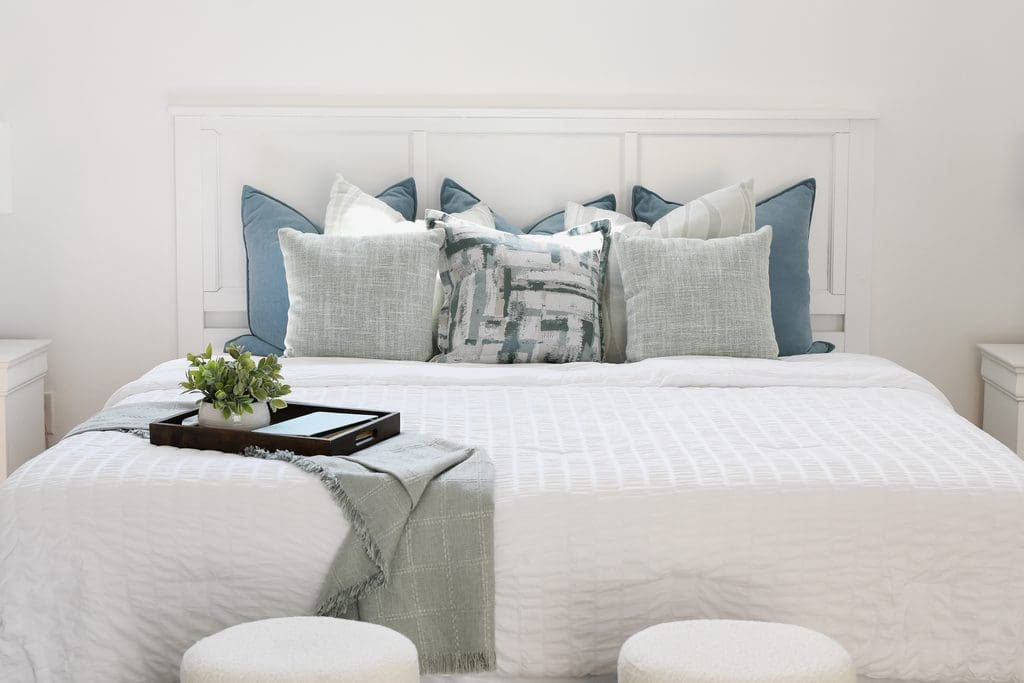
Each room contributes to the overall guest experience, but some spaces have a bigger impact on how your property looks and functions. Here’s how to approach the most important areas.
1. Entryway: Create a Welcoming First Impression
The entryway sets the tone for the entire stay. Even a small entrance can feel polished and welcoming with a few intentional choices.
Start with functionality. Give guests a convenient place to set down their keys, bags, or personal belongings. A slim console table, wall hooks, or a small storage bench can make the space more useful without taking up too much room.
A mirror can make a narrow entryway feel more open while giving guests a practical place to check their appearance. A small tray, simple artwork, or a low-maintenance plant can add personality without creating clutter.
Think about the check-in experience, too. If guests need instructions, a welcome card, or access information, make sure those details are easy to find. Avoid covering every available surface with signs and decorative objects.
The goal is simple: create an entrance that feels organized, comfortable, and easy to navigate from the moment guests arrive.
2. Living Room: Design a Space Guests Want to Spend Time In
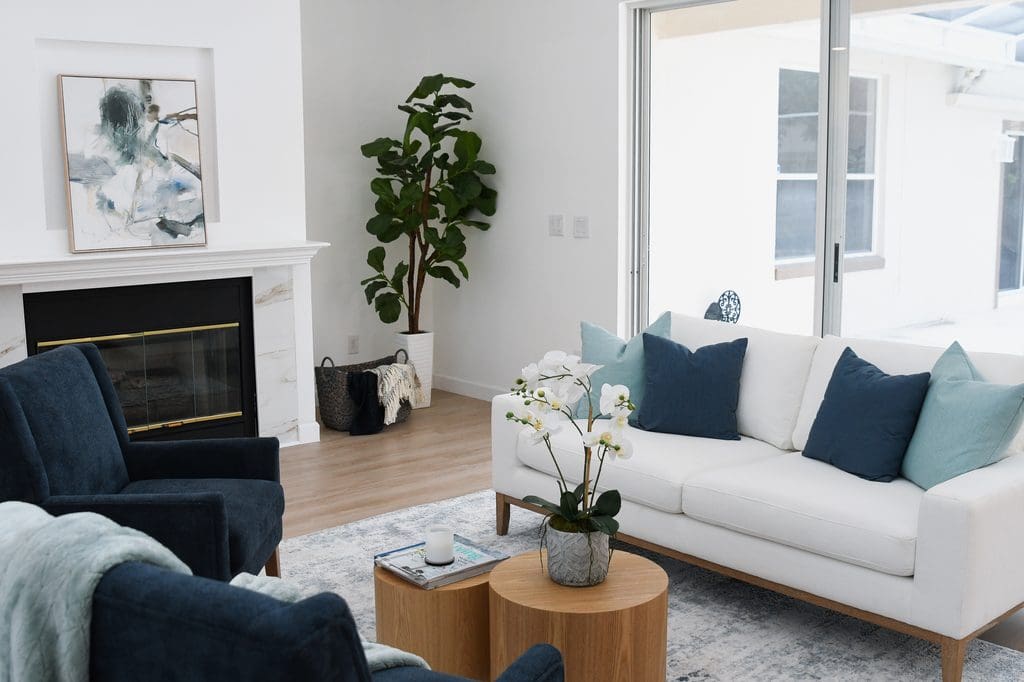
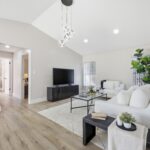
When staging an Airbnb, arrange furniture to create a comfortable and inviting living space. The living room is often one of the most important areas in your listing photos. It’s also where guests relax, socialize, watch movies, or spend time together between activities.
Start with the furniture layout. Arrange seating to encourage conversation and make sure guests can move comfortably through the room. Avoid pushing every piece of furniture against the walls if a more balanced arrangement would create a better sense of flow.
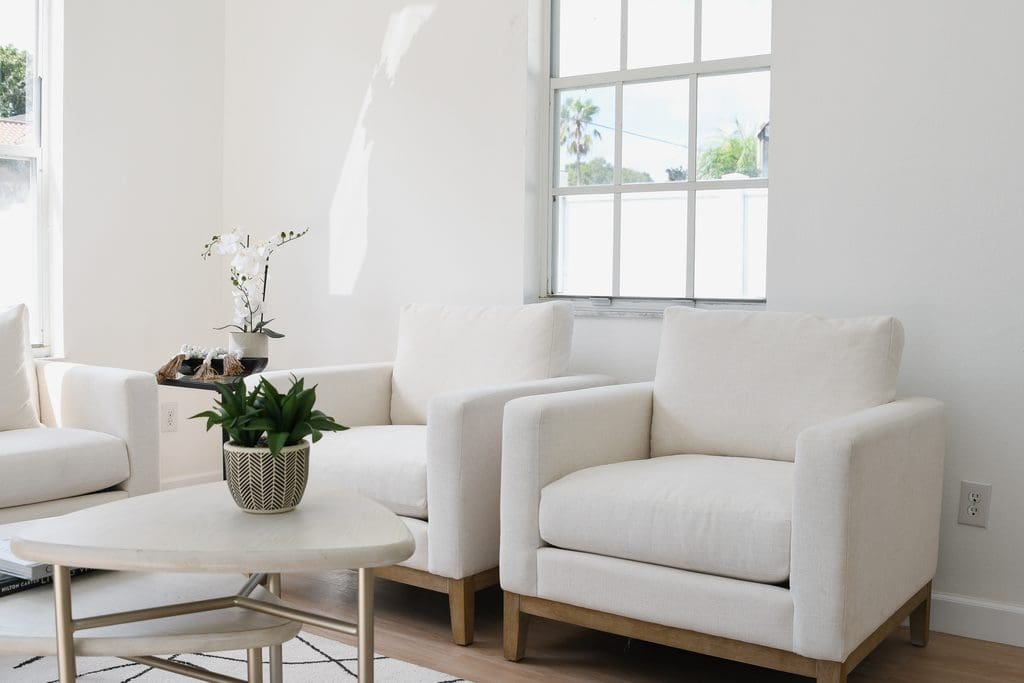
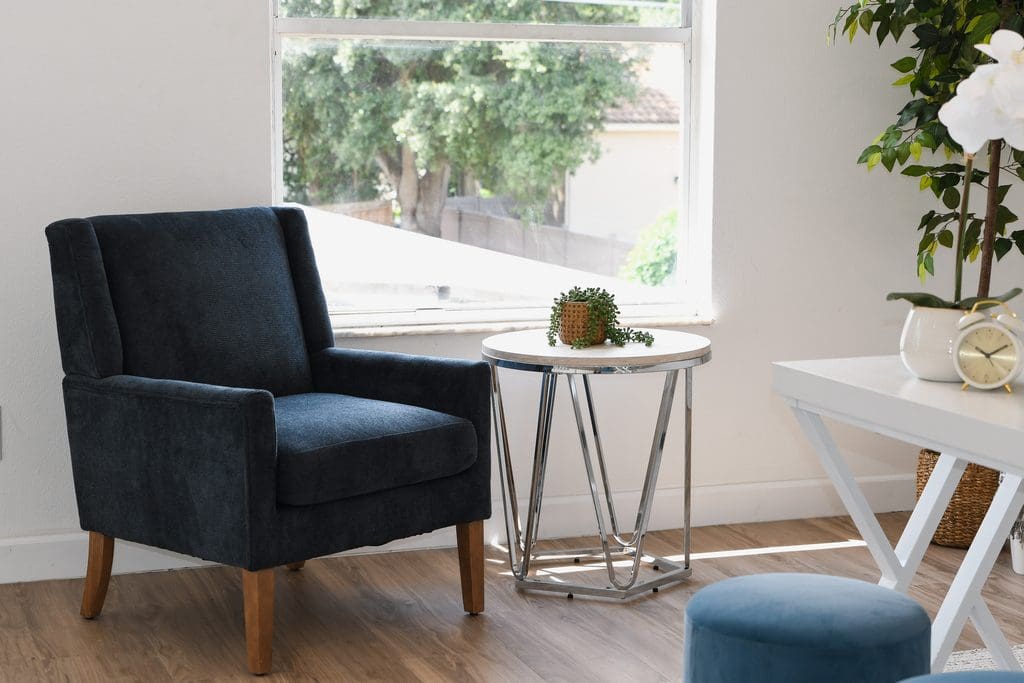
Choose a sofa that prioritizes comfort and durability. Add accent chairs when space allows, and use a rug to visually define the seating area. Pillows and throws can introduce color and texture without requiring a complete redesign.
Lighting is another important part of the equation. Instead of relying entirely on overhead fixtures, layer different sources of light. Floor lamps, table lamps, and softer accent lighting can make the room feel warmer and more inviting.
Pay attention to shelves and accent pieces. Open shelving, built-ins, and coffee tables are opportunities to add personality and visual interest. A few carefully selected books, ceramics, framed artwork, or plants can make the room feel finished.
Try varying the height, shape, and texture of decorative objects. Leave some empty space so each item has room to stand out. Overcrowded shelves can look messy in photos and make the room feel visually busy.
If your property has a fireplace, large windows, a beautiful view, or an entertainment setup, arrange the room to make that feature a natural focal point.
3. Bedroom: Bring the Boutique Hotel Experience Home
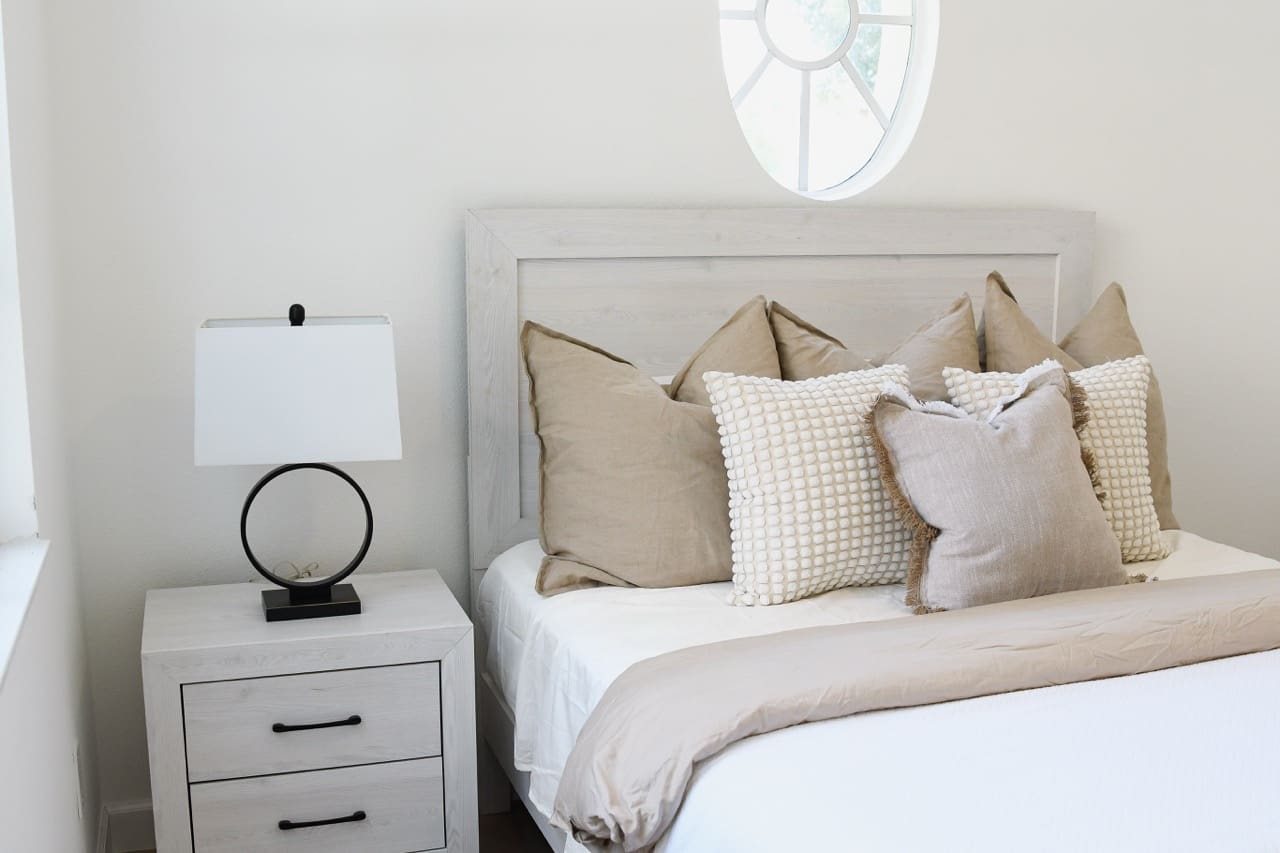
Staging an Airbnb also means prioritizing comfortable bedding, practical lighting, and storage. The bedroom should communicate comfort immediately. Guests want a space where they can relax, sleep well, and feel at ease.
Start with the bed. A supportive mattress, quality sheets, comfortable pillows, and a well-fitted duvet are more important than decorative accessories. Choose bedding that looks crisp and inviting in photographs while remaining practical to wash and maintain.
Layering creates a polished look. Combine neutral bedding with a textured throw, a few coordinated pillows, or a subtle accent color. The result should feel comfortable rather than overly styled.
Bedside tables are essential, even in smaller bedrooms. Guests need somewhere to place their phones, glasses, water, or personal items. Include accessible lighting on both sides of the bed when the layout allows.
Keep the decor simple. A piece of artwork, a small plant, or a textured accent can make the room feel intentional without distracting from the bed.
Think about the practical details that make a bedroom easier to use. Provide accessible outlets, convenient storage, space for luggage, and window coverings that offer privacy and help guests control natural light.
The boutique hotel effect isn’t about expensive furniture or elaborate styling. It’s about creating a clean, comfortable, cohesive space where guests can settle in easily.
4. Kitchen and Dining: Balance Style With Everyday Function
Successfully staging an Airbnb makes the kitchen look appealing without sacrificing functionality.
Begin by organizing countertops. Remove unnecessary appliances and personal items, leaving enough open space for guests to prepare meals. A simple coffee station can become a functional feature while adding visual interest to your listing photos.
If your kitchen has open shelving, style it with coordinated dishes, glasses, mugs, and a few decorative accents. Keep frequently used items within easy reach. Shelves should feel organized and useful rather than like a display that guests are afraid to touch.
Use color and texture sparingly. A wooden cutting board, a ceramic bowl, or a small plant can soften a kitchen filled with hard surfaces. Avoid adding too many objects that require extra cleaning or create the impression that there’s limited preparation space.
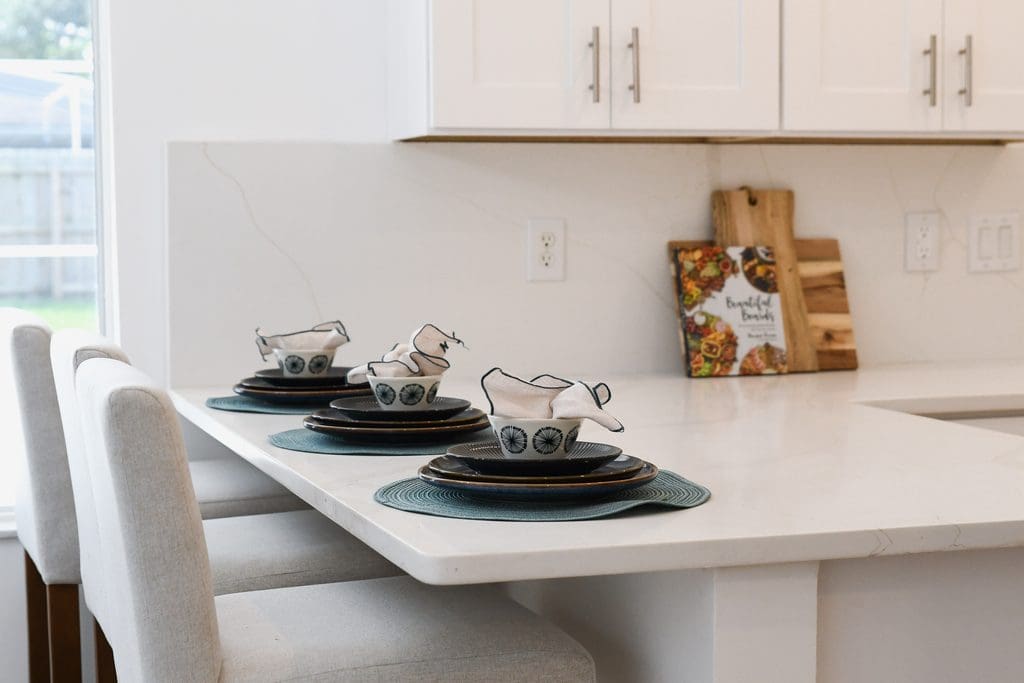
The dining area deserves attention as well. Make sure the table and chairs are appropriately sized for your target guests. A simple centerpiece, coordinated place settings, or a vase with fresh greenery can help the space feel inviting.
Most importantly, don’t sacrifice functionality for appearance. Stock the kitchen with the essentials your listing promises, and make sure guests have enough space to use them comfortably.
5. Workspaces and Extra Amenities: Appeal to Longer-Stay Guests
Not every Airbnb needs a dedicated office, but a functional workspace can be a valuable feature for remote workers and guests staying longer.
A small desk, comfortable chair, task lamp, and accessible outlets can turn an unused corner into a practical amenity. If space is limited, consider a compact desk or a multipurpose table that fits naturally into the room.
Keep the area organized and free of unnecessary decor. A small plant, a framed print, or a simple desk accessory can help the workspace feel cohesive with the rest of the property.
Consider other amenities that make a stay easier, such as luggage racks, laundry baskets, additional storage, full-length mirrors, or a convenient place to charge devices.
When choosing which features to include, think about your ideal guest rather than trying to provide everything. A thoughtful selection of useful amenities often makes more sense than a long list of features that are rarely used.
How to Stage Your Airbnb for Listing Photos
Even a beautifully designed property can be difficult to market if the photos don’t communicate its appeal. Photography and staging work together. Professional photography can showcase the details that make staging an Airbnb effective.
Declutter Before the Photoshoot
Start by removing unnecessary items from countertops, tables, shelves, and floors. Put away cleaning supplies, visible cords, personal photographs, excess decor, and anything that makes the space feel crowded.
The goal isn’t to make the property look empty. It’s to create enough visual breathing room for guests to understand the layout and imagine using the space.
Keep a few intentional accessories in each room, but make sure they support the overall design rather than compete for attention.
Use Natural Light
Lighting can change the way a room feels in photographs.
Whenever possible, schedule your photoshoot when the property receives attractive natural light. Open curtains and blinds, clean the windows, and turn on lamps where they help create a warm and balanced atmosphere.
Avoid harsh lighting that creates distracting shadows or makes colors look unnatural. A professional photographer can help determine the best angles and lighting conditions for each room.
Add Color and Texture With Intention
Neutral interiors can photograph beautifully, but an entirely neutral space may lack personality. Small accents of color and varied textures can help your listing feel memorable.
Consider adding color through pillows, artwork, throws, rugs, or decorative objects. Choose a palette that complements the property’s architecture, location, and target guest.
For example, a coastal-inspired rental might use soft blues, warm woods, and natural textures. A contemporary city apartment might benefit from stronger contrast, sculptural accessories, and clean-lined furniture.
The goal is to create a cohesive look that feels inviting rather than overly themed.
Highlight the Features Guests Care About
Think carefully about what your listing photos should communicate.
If your property has a pool, outdoor dining area, large kitchen, spacious primary bedroom, or beautiful view, make sure those features are visible and presented attractively.
Arrange furniture to show the room’s proportions. Use wide shots to communicate layout and closer images to highlight details that make the property special.
Don’t rely on decor to disguise limitations or make a small room look dramatically larger than it is. Accurate photography helps guests understand what they’re booking and sets realistic expectations.
Consider Professional Photography
Professional photography can be a valuable investment, especially for properties competing in a crowded vacation rental market.
A photographer who understands real estate or hospitality spaces can help capture the property’s layout, natural light, design details, and strongest features.
Before the shoot, prepare each room as if guests were about to arrive. Make the beds, straighten furniture, clean reflective surfaces, organize shelves, and remove anything that distracts from the experience.
The most effective listing photos don’t simply show attractive rooms. They communicate what makes the property worth booking.
Airbnb Staging on a Budget: Where to Spend and Where to Save
You don’t need an unlimited budget to create a beautiful vacation rental. Staging an Airbnb on a budget starts with prioritizing high-impact updates
Where to Spend
Some purchases influence comfort and long-term usability more than others.
- Mattresses and bedding: Comfortable sleep is central to the guest experience. Prioritize quality and easy-care materials.
- Sofas and seating: Choose durable, comfortable pieces that suit the size and purpose of each room.
- Lighting: Good lighting improves both the atmosphere and the way rooms appear in photos.
- Window treatments: Privacy and light control are practical features that can make a bedroom or living space more comfortable.
- Frequently used furniture: Dining tables, chairs, bedside tables, and other everyday pieces should be sturdy and functional.
For furniture that will experience frequent use, consider construction and materials. Solid wood, quality plywood, and well-made upholstery may be more suitable for some rentals than inexpensive pieces that wear out quickly. The right choice depends on the item, the budget, and how intensively the property is used.
Where to Save
Decorative updates are often easier to make gradually.
Instead of replacing every piece of furniture, consider rearranging existing items or refreshing them with new accessories. A different rug, updated lampshades, coordinated pillows, or a few pieces of artwork can change the feel of a room without requiring a full redesign.
Shop for versatile pieces that can work in multiple rooms or adapt to future design changes. Avoid accessories that are fragile, difficult to clean, or likely to become outdated quickly.
You can also prioritize your project in phases. Start with the rooms that appear most prominently in your listing photos, then work through the remaining spaces as your budget allows.
A Sample Staging Budget
The UNFNSHED staging guide estimates that furnishing and styling a one-bedroom Airbnb can fall in the range of $900 to $2,500, depending on the number of rooms and the quality of furnishings selected. This is an example from that source, not a universal cost estimate. A property requiring major furniture purchases, renovations, or premium finishes could cost considerably more.
Before using any budget estimate, create an inventory of what you already own, identify what needs replacing, and get actual quotes for the items and services your project requires.
Does Airbnb Staging Pay Off? How to Measure Your Return
Staging can improve the way your rental is presented, but the financial impact depends on more than design alone. A well-staged property may attract more attention or support a stronger nightly rate, but there is no guaranteed return.
Track your property’s performance to understand whether staging an Airbnb is supporting your rental goals.
Track the Metrics That Matter
Consider monitoring these indicators:
- Booking conversion: How many people who view your listing go on to book?
- Occupancy rate: What percentage of available nights are booked?
- Average nightly rate: How much revenue do you earn per booked night, on average?
- Guest reviews: Are guests commenting on comfort, cleanliness, design, or amenities?
- Repeat bookings: Are previous guests choosing to return?
- Maintenance and replacement costs: How much are you spending to keep furnishings and decor in good condition?
Compare performance across similar time periods when possible. Seasonality, local events, pricing changes, availability, and competition can all affect your results.
Guest reviews can also provide useful qualitative feedback. If guests consistently mention uncomfortable seating, insufficient lighting, or a lack of storage, those comments can help you prioritize improvements.
Calculate Your Staging Break-Even Point
A simple break-even calculation can help you understand how much additional revenue would be needed to recover your staging investment.
Imagine you spend $2,000 refreshing your Airbnb. If you earn an additional $50 in net revenue per booked night after variable costs, you would need 40 additional booked nights at that level to recover the investment.
Calculation:
$2,000 staging investment ÷ $50 additional net revenue per night = 40 nights
This is an illustrative example, not a revenue forecast. Your actual results will depend on whether staging changes booking behavior, the additional costs associated with those bookings, and how long the improvements remain useful.
You can also calculate the break-even point using a higher nightly rate, improved occupancy, or a combination of both. Just be careful not to count the same revenue improvement twice.
The purpose of measuring return is to make better decisions over time. If a small investment in lighting or bedding improves guest feedback and listing performance, you can use that information to guide your next project.
Common Airbnb Staging Mistakes to Avoid
Good staging is intentional. It’s just as important to know what to leave out as it is to know what to add.
Overdecorating every surface
Too many accessories can make rooms feel crowded and create extra cleaning work. Leave open space on shelves, countertops, and tables. Every decorative item should have a reason to be there.
Choosing appearance over comfort
A beautiful chair that nobody wants to sit in isn’t serving your guests. Prioritize comfortable seating, functional layouts, supportive mattresses, and furniture suited to everyday use.
Ignoring durability and maintenance
Short-term rentals experience frequent turnover. Delicate accessories, difficult-to-clean fabrics, and poorly constructed furniture may require more maintenance than they’re worth. Choose materials and finishes that can withstand regular use.
Using too many personal items
Family photographs, personal collections, and highly specific decor styles can make it harder for guests to imagine the property as their own temporary space. A little personality is valuable, but the overall design should appeal to your intended audience.
Forgetting lighting
A room can have beautiful furniture and still feel uninviting under harsh overhead lighting. Use a combination of lighting sources to create warmth and make everyday tasks easier.
Failing to highlight the property’s best features
Don’t let furniture block attractive windows, crowd a fireplace, or hide an architectural detail. Arrange the room around its strongest features.
Making promises the property can’t deliver
Staging and photography should present the rental at its best without creating a misleading impression. If the photos suggest a spacious, luxurious experience but the actual property feels cramped or poorly maintained, the disconnect can lead to disappointment.
Ignoring practical details
Guests notice the small things that make a stay convenient. Missing outlets, insufficient storage, uncomfortable dining chairs, and a lack of bedside lighting can undermine an otherwise attractive design.
Should You Hire a Professional to Stage Your Airbnb?
A professional designer can make staging an Airbnb more cohesive and functional. Whether you should hire a professional depends on the condition of your property, your budget, your timeline, and how much design work is required.
If your Airbnb is already furnished and only needs a few updates, you may be able to handle the project yourself. Rearranging furniture, improving lighting, updating bedding, and styling shelves can make a meaningful difference without requiring a complete redesign.
Professional help may be worth considering when you’re furnishing a property from scratch, struggling to create a cohesive look, preparing a higher-end rental, or trying to make better use of an awkward layout.
The Difference Between Staging and Interior Design
Although the terms are sometimes used interchangeably, staging and interior design can involve different scopes of work.
Staging typically focuses on presenting a property in its best light. For an Airbnb, that may involve arranging existing furniture, adding accessories, refreshing key rooms, and preparing the property for photography.
Interior design can involve a more comprehensive approach. This may include space planning, furniture selection, material and finish choices, lighting plans, and a cohesive design concept that supports the property’s intended use.
Some vacation rental projects benefit from a combination of both. A designer can help establish the overall look and functionality, while staging ensures the finished property is presented effectively for listing photos and guest arrival.
What a Professional Can Bring to the Project
An experienced designer or stager can help you:
- Identify which updates will make the biggest visual impact.
- Choose furniture and finishes suited to the property’s use.
- Create a cohesive look across rooms.
- Improve furniture placement and circulation.
- Balance attractive styling with practical storage and maintenance.
- Prepare the property for photography and listing presentation.
Professional support can also save time, particularly if you’re managing a property from a distance or balancing multiple projects.
A property manager or Airbnb co-host may provide complementary services such as listing setup, photography coordination, pricing, reservations, and guest communication. Design and hosting support address different parts of the rental experience, but they can work together.
When comparing professional services, look beyond the initial price. Consider the scope of work, furnishings included, project management, installation, timelines, and the amount of work you’ll need to handle yourself.
Airbnb Staging Checklist: Get Your Rental Guest-Ready
Use this checklist before publishing a new listing, refreshing your photos, or preparing for a busy rental season.
Strategy
- Identify your ideal guest.
- Review competing rentals and identify what makes your property different.
- Highlight your property’s most appealing features.
- Set a realistic budget and prioritize the most important spaces.
Design and Functionality
- Declutter and remove unnecessary personal items.
- Arrange furniture to support comfort and easy movement.
- Check that seating, beds, and dining furniture are comfortable and functional.
- Add layered lighting where needed.
- Use color, artwork, textiles, and accessories to create a cohesive look.
- Style shelves and surfaces without overcrowding them.
- Provide practical storage, outlets, and accessible essentials.
Guest Experience
- Create a welcoming, organized entryway.
- Make check-in information easy to find.
- Stock the amenities promised in your listing.
- Check that the kitchen and dining areas are practical.
- Make sure bedrooms offer comfortable bedding, privacy, and convenient lighting.
- Review the property for small inconveniences guests might encounter.
Photography and Listing Preparation
- Clean windows and reflective surfaces.
- Open blinds and curtains to maximize attractive natural light.
- Remove distracting items and visible clutter.
- Prepare each room for photography.
- Highlight your property’s most appealing amenities.
- Confirm that the photos accurately represent the actual space.
Ongoing Improvements
- Review guest feedback for recurring design or comfort concerns.
- Track booking performance and rental revenue.
- Monitor furniture condition and replacement needs.
- Make updates based on actual guest needs and property performance.
Frequently Asked Questions About Home Staging an Airbnb
How much does it cost to stage an Airbnb?
The cost of staging an Airbnb depends on the property’s size, existing furniture, design goals, and the amount of work required.
A small refresh involving new bedding, lighting, artwork, and accessories will generally require a different budget from furnishing an empty vacation rental. The UNFNSHED staging guide gives an example range of $900 to $2,500 for a one-bedroom property, but actual costs can vary substantially.
Start by creating an inventory of your existing furnishings and identifying which items need to be added, repaired, or replaced. Then prioritize the rooms and purchases that will have the greatest impact on guest comfort and listing presentation.
Does staging an Airbnb really help get more bookings?
Staging can make a rental more visually appealing, help its listing photos stand out, and create a more inviting guest experience. Those improvements may support booking performance, but they don’t guarantee more reservations.
Bookings are also influenced by location, pricing, availability, amenities, reviews, competition, and seasonality.
To understand whether your staging changes are helping, track your listing’s performance over time and compare results across similar periods whenever possible.
What should I prioritize when staging an Airbnb?
Start with the spaces that guests are most likely to notice and use: the living room, primary bedroom, kitchen, and entryway.
Focus on comfortable furniture, quality bedding, effective lighting, practical layouts, and thoughtful accessories. Then prepare the property for photography so potential guests can clearly understand its layout and strongest features.
Your target guest should influence your priorities. A family rental may need more flexible seating and storage, while a property aimed at remote workers may benefit more from a comfortable workspace.
How do I stage an Airbnb on a tight budget?
Start with what you already have. Declutter, rearrange furniture, improve lighting, refresh bedding, and use a small number of accessories to create a more cohesive look.
Prioritize the areas that appear most prominently in your listing photos. A few intentional updates to the living room and bedroom may be more useful than spreading your budget across every room.
Look for durable, versatile pieces and avoid spending money on decorative items that don’t improve comfort or presentation.
What furniture is best for an Airbnb?
The best furniture for an Airbnb combines comfort, durability, functionality, and a style that fits the property and its target guests.
Choose supportive seating, comfortable mattresses, sturdy dining furniture, and practical storage. For frequently used pieces, consider how easy they are to clean and how well they will hold up to regular turnover.
Avoid choosing furniture based solely on appearance. A cohesive design matters, but your guests also need to use the space comfortably.
Should I hire an Airbnb interior designer or stage it myself?
If your property is already furnished and only needs a few updates, doing the work yourself may be a practical option.
If you’re furnishing a property from scratch, working with an unusual layout, preparing a luxury rental, or struggling to create a cohesive design, professional support may save time and help you make more intentional choices.
Consider the project’s scope, your available budget, your design experience, and the time you can realistically commit. You may also choose a hybrid approach by hiring a designer for the overall plan and handling smaller styling updates yourself.
Turn Your Airbnb Into a Space Guests Want to Book
The most effective Airbnb staging brings together design, functionality, photography, and the guest experience. It’s not about filling every corner with decor or making your rental look like every other vacation property online. It’s about creating a space that feels inviting, works well for the people staying there, and communicates its value from the first photo to checkout.
With a clear plan, staging an Airbnb can help create a more inviting rental and a better guest experience. Understand your ideal guest, identify your property’s strongest features, and focus your budget on improvements that matter. Thoughtful furniture placement, comfortable bedding, layered lighting, intentional shelf styling, and accurate photography can all help your rental make a stronger first impression.
And remember, good design doesn’t stop when the photoshoot ends. The real test is whether guests find the property as comfortable, functional, and inviting as they expected.
Looking to stage or redesign your vacation rental in Central Florida?
Atipical Design Co helps homeowners and real estate professionals create intentional, elevated spaces designed around the property’s goals. Whether you’re refreshing a furnished rental or starting with a blank canvas, our team can help you make thoughtful design decisions that balance style, functionality, and the guest experience.
Ready to elevate your rental? Get in touch with Atipical Design Co to discuss your staging or interior design project.
📲 Call or text 407-279-0448
📧 Email info@atipicaldesignco.com
🌐 Visit www.atipicaldesignco.com to start your Orlando home-staging journey.
- Fall Room Ideas: 15 Easy Ways to Make Your Home Feel Cozy for Autumn
 Key Takeaways: Fall room ideas don’t have to mean covering your home in pumpkins and orange. Start with warm colors, cozy textures, soft lighting, natural elements, and a few seasonal swaps to make every room feel inviting for autumn. There’s something about fall that makes you want your home to feel a little softer, warmer,… Read more: Fall Room Ideas: 15 Easy Ways to Make Your Home Feel Cozy for Autumn
- Why Do Interior Designers Cost So Much? The True Value of Interior Design
 It’s one of the most common questions homeowners and business owners ask when beginning a design project: Why do interior designers cost so much? At first glance, interior design can seem expensive. When people think about hiring an interior designer, they often picture selecting paint colors, choosing furniture, and styling accessories. But professional interior design… Read more: Why Do Interior Designers Cost So Much? The True Value of Interior Design
- 5 Trendy Ways to Use Texture in 2026 Interior Design
 If a space feels flat, it’s usually not the furniture. It’s the lack of texture. In 2026 interior design, texture is doing most of the work. It’s what makes a room feel layered, finished, and easy to connect with Here are 5 trendy ways to use texture in 2026 that actually make a difference 1.… Read more: 5 Trendy Ways to Use Texture in 2026 Interior Design
- How to Find Your Interior Design Style (Step-by-Step Guide)
 If you’ve ever saved a dozen different home photos and thought, “Why do I like all of these?”—you’re not alone. Learning how to find your interior design style isn’t about fitting into one category. It’s about creating a home that feels like you. At Atipical Design Co., we help clients turn scattered inspiration into a… Read more: How to Find Your Interior Design Style (Step-by-Step Guide)
- How to Sell My House Fast: 10 Design Tips That Actually Work
 If you’re asking yourself, “How can I sell my house fast?” you’re not alone. In competitive markets like Orlando, Winter Park, and Windermere, buyers make decisions quickly. Often, they decide within seconds of walking through the front door (or scrolling photos online). The good news?You don’t need a full renovation to sell faster. Strategic design… Read more: How to Sell My House Fast: 10 Design Tips That Actually Work
Leave your thoughts: