



Home Buyer Design Tips for Seeing Potential Beyond the Surface
Walking into a home for the first time can be overwhelming. Paint colors, furniture placement, dated finishes, it’s easy to either fall in love too fast or miss something special entirely.
At Atipical Design Co., our designers tour homes differently. We look past what is and focus on what could be. These home buyer design tips are meant to help you shop smarter, visualize potential, and make confident decisions, especially in competitive markets like Central Florida.
Why Designers See Homes Differently
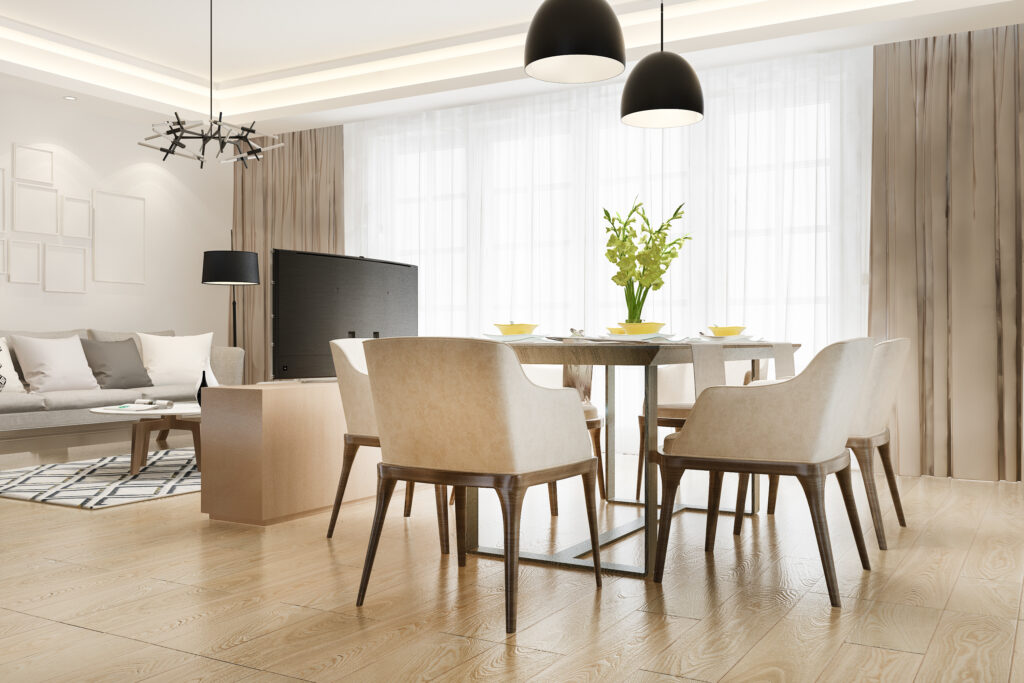
Designers are trained to separate structure from style. Where buyers often focus on cosmetic details, designers assess layout, light, scale, and flow first.
According to the National Association of Realtors, many buyers struggle to visualize a property as their future home without guidance (National Association of Realtors). That’s where designer thinking changes the game.
These tips will help you shop with clarity instead of emotion-driven tunnel vision.
1. Ignore Paint Colors (Yes, Really)
Paint is temporary. Layout is not.
When touring homes, mentally strip away bold colors, accent walls, or outdated neutrals. Paint is one of the easiest and least expensive design changes you can make after purchase.
Designer mindset:
Ask yourself, “Does this room work if everything were white?”
If the answer is yes, you’re on the right track.
2. Focus on Light, Not Lighting Fixtures
Designers prioritize natural light over light fixtures. Windows, orientation, ceiling height, and how light moves through the home matter far more than the chandelier currently hanging in the dining room.
Studies in environmental psychology show that natural light improves mood and perception of space, which directly impacts how people feel inside a home.
Home buyer design tip:
Visit homes at different times of day if possible. Morning and afternoon light can completely change how a space feels.
3. Measure the Bones, Not the Furniture
Furniture often lies.
Oversized sectionals, tiny dining tables, or awkward staging can distort your perception of room size. Designers consider wall length, traffic flow, and proportion, rather than the current setup.
Bring a tape measure or use your phone’s measurement app to confirm whether your furniture will actually fit. This is especially important in Orlando interiors, where open-concept living is common but varies widely in scale.
4. Look at The Layout Before Finishes
Kitchens and bathrooms sell homes, but layout determines whether you’ll love living there.
Before judging countertops or cabinets, ask:
- Is there enough prep space?
- Does the kitchen flow into the living areas?
- Are bedrooms positioned for privacy?
Renovating finishes is far easier than changing walls or plumbing (This Old House).
Designer rule:
If the layout works, finishes can be upgraded later.
5. Pay Attention to Transitions
Designers notice how spaces connect.
Doorways, hallways, and sightlines affect how a home feels emotionally and functionally. A well-designed home feels intuitive. You know where to go without thinking.
During a tour, notice:
- Can you see into multiple spaces from the entry?
- Do rooms feel chopped up or cohesive?
- Are there natural focal points?
These subtle cues heavily influence buyer satisfaction, even if you can’t immediately articulate why.
6. Envision Function, Not Just Style
Designers always ask: How will this space be used?
That spare room might not be staged as an office, but could it become one? Is there wall space for storage? Could a dining nook double as a workspace?
Smart home buying means choosing flexibility, especially if your lifestyle is likely to evolve.
7. Trust Feeling, but Verify with Logic
Yes, emotion matters. But designers balance intuition with evaluation.
If you feel drawn to a home, pause and identify why. Is it the light? The flow? The sense of calm? These are good signs. Just be sure the practical details align, too, with the budget, layout, and long-term livability.
Shopping Smarter with Designer Eyes
Learning how to shop for homes like a designer doesn’t mean ignoring emotion; it means grounding it in clarity.
These home buyer design tips are about empowering you to:
- See past surface distractions.
- Recognize strong foundations
- Visualize transformation
- Make confident, informed decisions.
At Atipical Design Co., we believe great design starts long before move-in day. It begins the moment you walk through the front door and truly see what a space can become.
📲 Call or text 407-279-0448
📧 Email info@atipicaldesignco.com
🌐 Visit www.atipicaldesignco.com to start your Orlando home-staging journey.
- How To Shop For Homes Like A Designer: Home Buyer Design Tips
 Home Buyer Design Tips for Seeing Potential Beyond the Surface Walking into a home for the first time can be overwhelming. Paint colors, furniture placement, dated finishes, it’s easy to either fall in love too… Read more: How To Shop For Homes Like A Designer: Home Buyer Design Tips
 - The Art of Falling in Love with a Space: Emotional Home Buying
 Why Emotional Home Buying Starts with Intentional Design Buying a home isn’t only about money. It’s an emotional and instinctive process, and sometimes it even feels a little irrational, in the best possible way. At… Read more: The Art of Falling in Love with a Space: Emotional Home Buying
 - How to Prepare Your Orlando Home for Staging
 Selling a home in Orlando is about more than putting a sign in the yard; it’s about creating a first impression that buyers feel the moment they walk through the door. That’s where professional staging… Read more: How to Prepare Your Orlando Home for Staging
 - The Cost of Home Staging vs. the Cost of Not Staging
 In a market like Orlando, where buyers scroll fast and competition is constant, first impressions aren’t just important; they’re everything. Yet one of the most common questions sellers ask is: Is home staging really worth… Read more: The Cost of Home Staging vs. the Cost of Not Staging
 - Moving to Orlando? How to Make Your New Home Yours
 Relocating is exciting, overwhelming, and full of possibilities, especially when you’re moving to Orlando. New neighborhoods, new routines, new energy. But once the boxes are unpacked, many homeowners find themselves asking the same question: How… Read more: Moving to Orlando? How to Make Your New Home Yours


Leave your thoughts: