
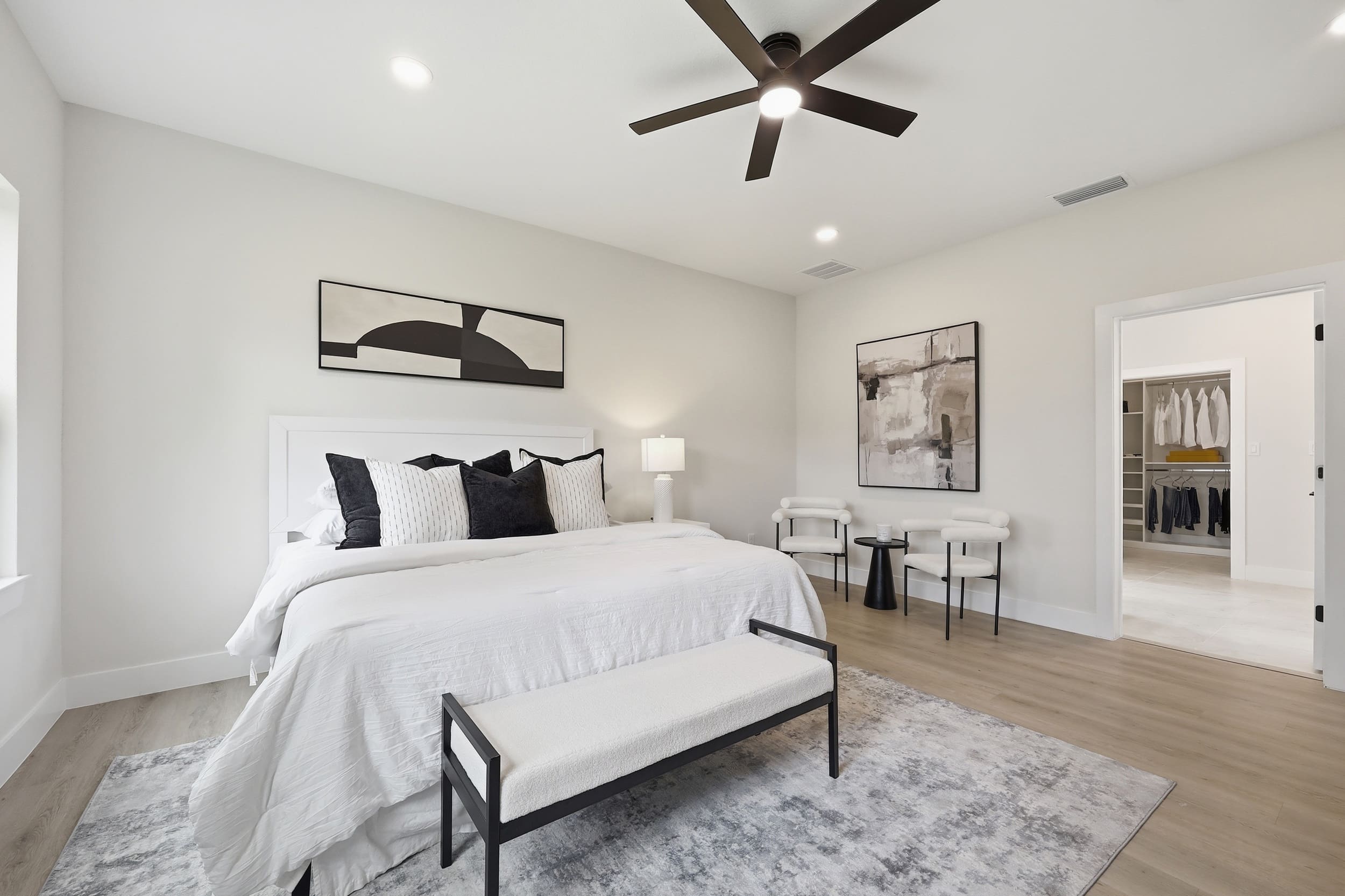


Key Takeaways: Before you list your home, focus on the changes buyers notice most: declutter, rearrange furniture, brighten the space, neutralize distractions, and highlight your home’s best features. These simple home staging tips can make your home feel larger, cleaner, and more move-in-ready without a full renovation.
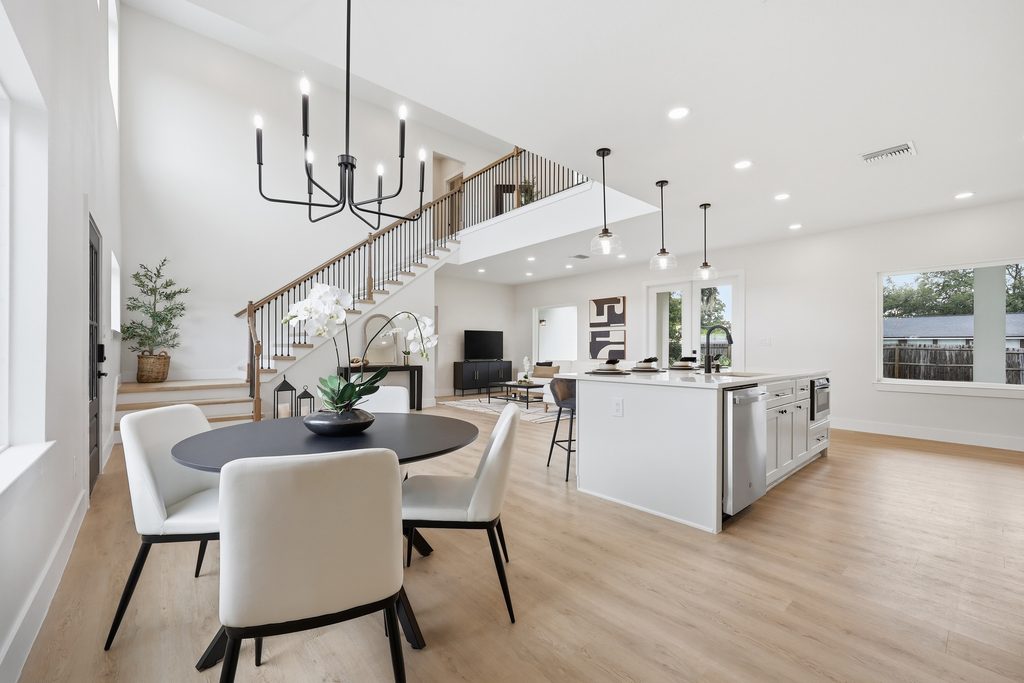
You don’t need to completely renovate your home to make it more appealing to buyers. The right home staging tips can make a property feel brighter, larger, cleaner, and more move-in ready, often without a major investment. If you’re staging a house to sell, focus first on decluttering, furniture placement, lighting, curb appeal, and highlighting the features that make your home worth remembering.
Why Home Staging Matters When Selling Your Home
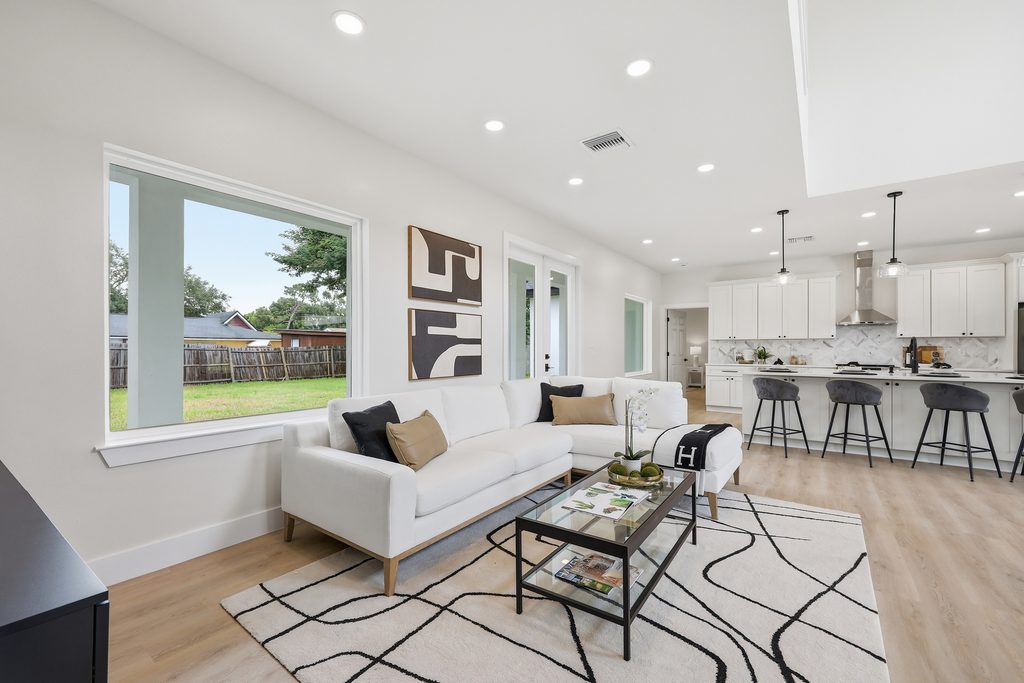
Home staging and decorating aren’t quite the same thing.
Decorating is about creating a home that reflects your personal style. Staging is about presenting a home in a way that helps potential buyers picture themselves living there.
That distinction matters when you’re preparing a property for sale. Your oversized collection of family photos, bright accent wall, or furniture arrangement that works perfectly for your family might not be the best choice for a buyer walking through the home for the first time.
Good staging doesn’t mean stripping a home of all personality. It means removing distractions and drawing attention to the things buyers are actually shopping for: space, natural light, functionality, condition, storage, and the overall feeling they get when they walk through the door.
And that first impression starts before they even arrive. Buyers often see a property online before they ever schedule a showing, which means your home’s presentation needs to work in listing photos as well as in person.
Whether you’re looking for DIY home staging ideas or considering professional home staging, these 15 tips are a good place to start.
15 Home Staging Tips to Make Your Home More Appealing to Buyers
1. Start With Curb Appeal
Before buyers see the kitchen, primary suite, or backyard, they see the front of your home.
A clean, welcoming exterior can immediately set the tone for the showing. You don’t need to completely redesign your landscaping. Start with the basics:
- Trim overgrown landscaping.
- Remove weeds and dead plants.
- Add simple greenery or seasonal flowers.
- Sweep the front walkway and entry.
- Clean the front door.
- Wash windows and exterior surfaces.
- Clean the driveway.
- Replace worn house numbers or exterior hardware if needed.
- Make sure the front porch or entry feels intentional.
Think of the front entrance as another room of the home. It should feel clean, cared for, and inviting.
If you’re wondering how to stage your home exterior, start here. A little attention to curb appeal can make a big difference in how buyers perceive the property before they even step inside.

2. Declutter Before You Do Anything Else
One of the biggest home staging mistakes is trying to decorate around clutter.
If countertops, shelves, tables, closets, and floors are packed with belongings, buyers have a harder time seeing the actual space.
Start by removing anything you don’t need for the next few months. That includes:
- Excess furniture
- Countertop appliances
- Toys
- Paperwork
- Excess decor
- Collections
- Clothes you don’t regularly wear
- Personal items
- Anything sitting on the floor unnecessarily
The goal isn’t to make your home look empty. It’s to make the space itself easier to see.
And don’t forget closets, cabinets, pantries, and garages. Buyers will open them.
Don’t try to decorate your way out of clutter. Remove it first.
3. Rearrange Furniture to Make Rooms Feel Bigger
The furniture arrangement that works for everyday life isn’t always the arrangement that works best for selling.
Walk into each room and ask yourself:
Can I easily walk through this space? Can I immediately tell what this room is for?
Remove furniture that makes the room feel cramped and create clear pathways throughout the home.
Whenever possible, arrange furniture around the room’s strongest feature. That could be a fireplace, large windows, a beautiful view, or an architectural detail.
You also don’t have to fill every corner.
Sometimes removing one chair, table, or oversized piece of furniture makes the entire room feel larger.
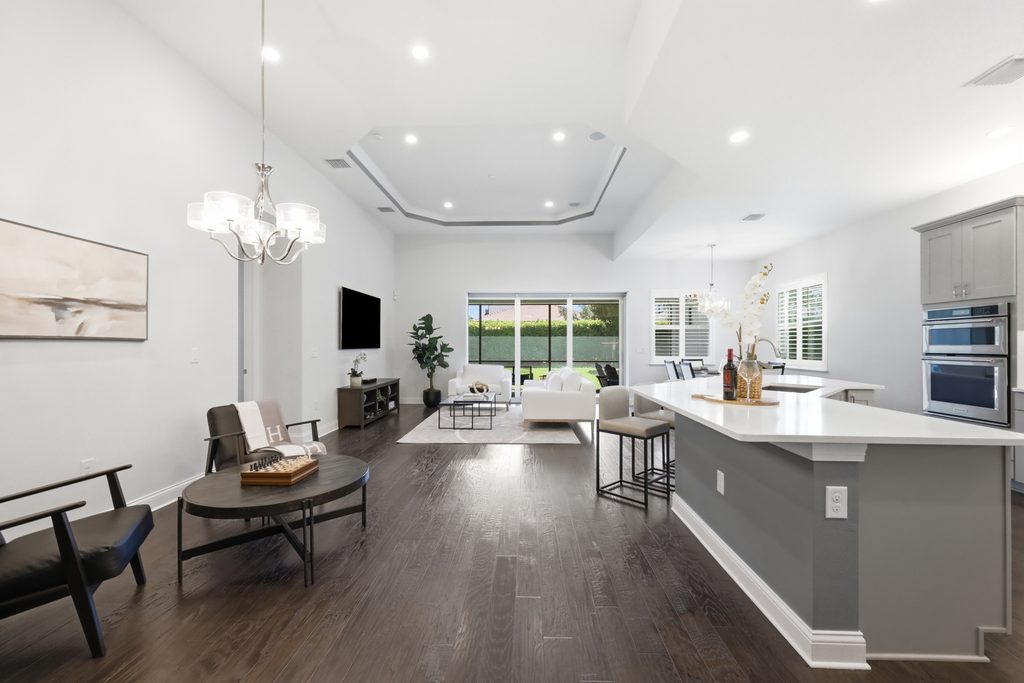
4. Use a Neutral Color Palette
Neutral doesn’t have to mean boring.
Soft whites, warm neutrals, beige, taupe, and light earthy tones can give buyers a clean backdrop that allows them to focus on the home’s features rather than your paint choices.
If your home has strong or highly personal colors, you don’t necessarily need to repaint everything. Prioritize the rooms where the color is most distracting.
You can still introduce personality through artwork, pillows, rugs, and accessories. The difference is that these elements are easier for buyers to imagine changing than a bright wall or heavily customized finish.
When staging a home to sell, the goal is to create a cohesive environment that appeals to as many potential buyers as possible.
5. Let in as Much Natural Light as Possible
Bright rooms tend to feel more open and welcoming.
Before showings and listing photography:
- Open curtains and blinds.
- Clean the windows.
- Remove heavy window treatments when appropriate.
- Trim landscaping that blocks windows.
- Move furniture away from windows.
- Use mirrors where they can reflect natural light.
Take a look at your home at different times of day, too. You may discover that a room that feels bright at noon looks much darker in the morning or evening.
The goal is to make the most of the natural light your home already has.
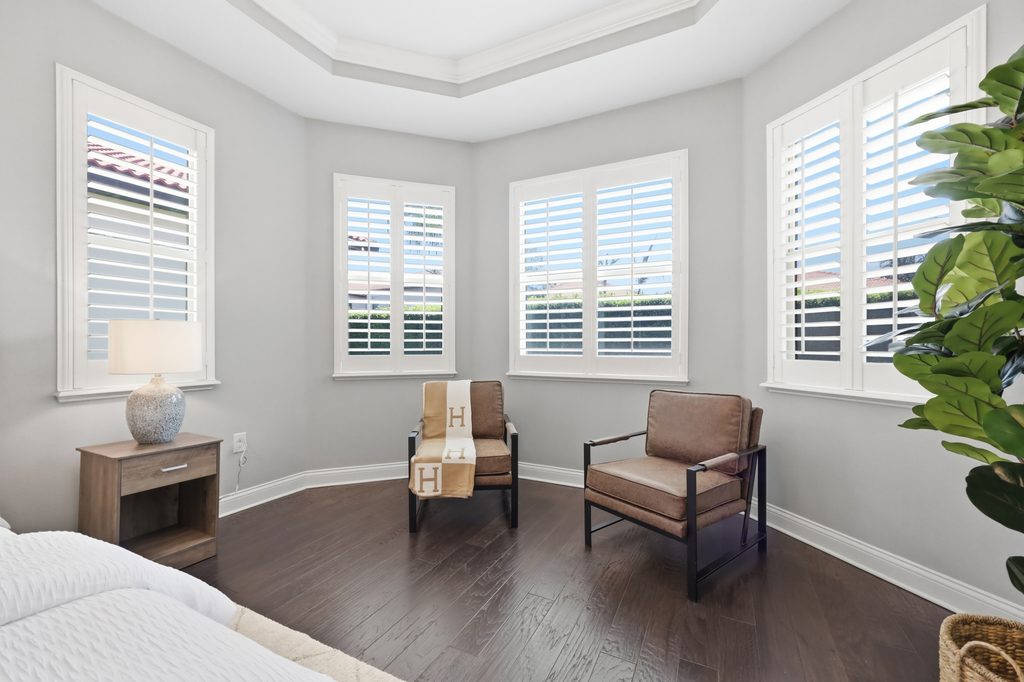
6. Upgrade Your Lighting
Lighting can completely change how a room feels.
If you have outdated fixtures, replacing one or two highly visible lights may have more impact than buying dozens of decorative accessories.
Pay attention to:
- Kitchen lighting
- Dining room fixtures
- Bathroom lighting
- Bedroom lamps
- Hallways
- Exterior lighting
- Dark corners
Make sure light bulbs throughout the home have a consistent color temperature. Mismatched bulbs can make rooms feel visually disconnected.
Table and floor lamps can also help add warmth to rooms that don’t get much natural light.
And if your fixtures have dimmers, use them to create the right atmosphere for the room and time of day.
7. Make the Kitchen Feel Clean and Inviting
The kitchen is one of the first places many buyers evaluate, so don’t let clutter distract from it.
Start by clearing your countertops as much as possible. Put away unnecessary appliances, paperwork, mail, and personal items.
Then focus on cleaning:
- Cabinet fronts
- Appliances
- Countertops
- Backsplashes
- Sinks
- Faucets
- Hardware
- Floors
Once the kitchen is clean, add just enough styling to make it feel inviting.
A simple bowl of fruit, a small plant, or a clean kitchen towel can be enough.
Think of the goal as showing the kitchen’s function and available workspace, not filling every surface with decor.

8. Give the Bathrooms a Hotel-Like Feel
You don’t necessarily need to remodel a bathroom before selling.
Instead, make it feel exceptionally clean, simple, and comfortable.
Start with fresh towels and remove personal products from countertops and showers. Deep clean the grout, glass, mirrors, fixtures, and floors.
Replace worn bath mats or shower curtains if needed.
Then add minimal, intentional accessories.
A bathroom should feel fresh, bright, and easy to maintain. If buyers walk in and immediately notice clutter, odors, stained grout, or outdated accessories, they’re likely to remember those things instead of the actual strengths of the room.
9. Make the Primary Bedroom Feel Like a Retreat
The primary bedroom should feel comfortable without feeling overly personal.
Start with the bed. Use clean, neutral bedding and layer in a few soft textures.
Then simplify the rest of the room:
- Remove excess furniture.
- Clear nightstands.
- Minimize decor.
- Put away personal items.
- Keep surfaces relatively clear.
- Make the bed the focal point.
The goal is to create a room buyers can imagine coming home to at the end of the day.

10. Remove Personal Items That Distract Buyers
Depersonalizing is one of the most misunderstood parts of home staging.
You don’t have to remove every item that makes your house feel like your home. But highly personal belongings can make it harder for buyers to imagine their own lives in the space.
Consider putting away:
- Excessive family photos
- Children’s artwork
- Large collections
- Highly personal displays
- Strongly political decor
- Other items that immediately draw attention away from the property
Think of it as creating a blank canvas, not removing every ounce of personality.
11. Use Mirrors and Decor Strategically
Decor should have a purpose when you’re staging a home.
A strategically placed mirror can reflect natural light and make certain areas feel more open. Large artwork can create a focal point and make a room feel finished.
But more isn’t necessarily better.
Instead of covering every wall with small pieces, consider using fewer, larger-scale pieces that complement the room.
The same applies to accessories. A few intentional pieces usually create a more elevated look than dozens of small objects competing for attention.
And remember: decor should enhance the home, not hide problems that need to be fixed.
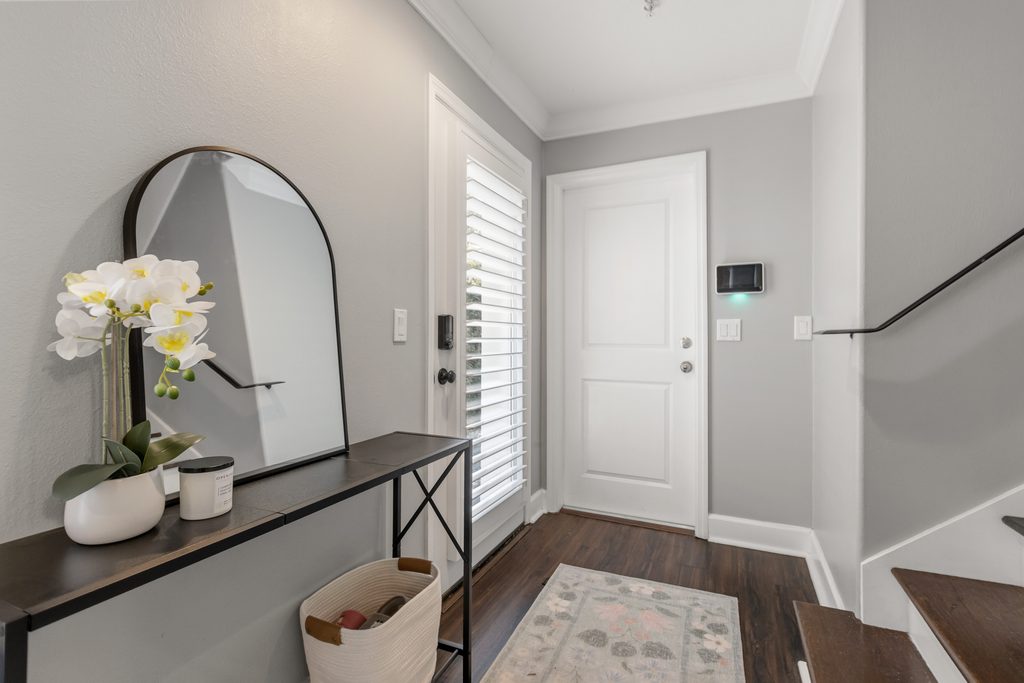
12. Create Storage That Makes Buyers Want to Stay Organized
Storage is something buyers actively look for.
That means your closets, pantry, cabinets, garage, laundry room, and other storage areas deserve the same attention as your living spaces.
If a closet is stuffed to the ceiling, buyers may assume the home doesn’t have enough storage, even if it actually does.
Remove items you don’t need, organize what remains, and leave enough empty space for buyers to see how much storage is available.
Attractive baskets and containers can help, but don’t simply move clutter behind a closet door.
Buyers open closets.
13. Don’t Forget About Odors
A home can look incredible and still leave a negative impression if it doesn’t smell fresh.
Instead of covering odors with strong fragrances, address the source.
Pay particular attention to:
- Pet odors
- Cooking smells
- Trash
- Bathrooms
- Drains
- Carpets
- Upholstered furniture
- Damp areas
Deep clean soft surfaces when necessary and air out the home before showings.
You want buyers to notice how good the home smells because it’s clean, not because you’ve filled it with an overwhelming fragrance.
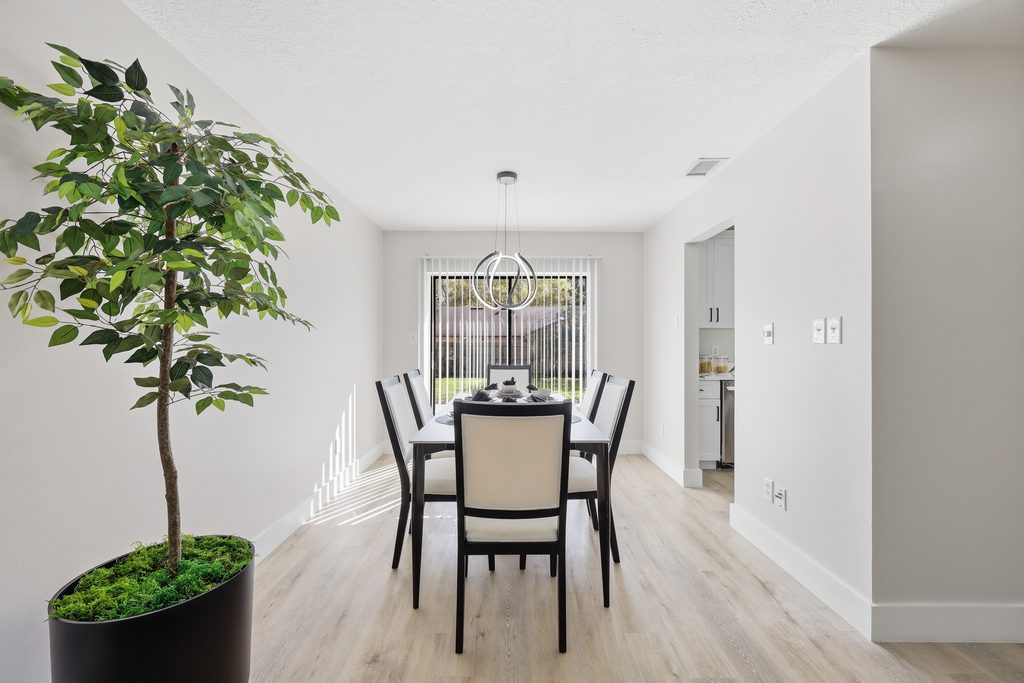
14. Highlight the Features That Make Your Home Different
Every home has something buyers should remember.
Your job is to make sure they actually notice it.
Maybe it’s:
- A pool
- Outdoor living space
- A home office
- A fireplace
- A lake or conservation view
- An oversized primary suite
- A renovated kitchen
- A large backyard
- A bonus room
- Beautiful architectural details
Arrange furniture and decor so these features are visible rather than blocked.
If your home has an incredible view, don’t put a giant piece of furniture in front of the window. If the fireplace is a selling point, make it the focal point rather than burying it behind furniture.
Staging isn’t just about making a home look pretty. It’s about directing buyers’ attention toward the things that make the property valuable.
15. Finish With a Professional Staging Walk-Through
Once you’ve made your changes, walk through the home as if you’ve never seen it before.
Stand in the doorway of every room.
What do you notice first?
Is it the beautiful kitchen, or the pile of mail on the counter?
The large window, or the oversized sofa blocking it?
The spacious closet, or the fact that it’s packed with clothes?
Take photos from the same angles your real estate photographer is likely to use. Photos can reveal things you don’t notice when you’re walking through your home every day.
This is also where a professional home stager can provide valuable perspective.
When you live in a home, you’re naturally attached to it. A professional can look at the property objectively and identify distractions, awkward furniture placement, unused spaces, or opportunities you may have overlooked.
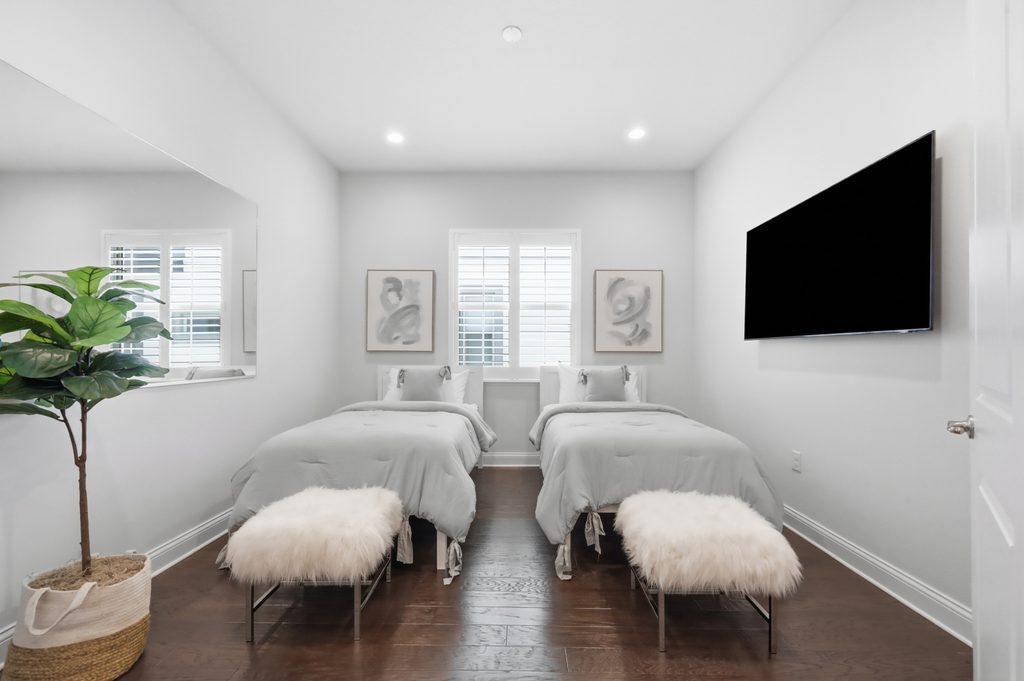
Room-by-Room Home Staging Checklist
If you’re preparing your home for the market, use this quick checklist before your listing photos and showings.
Living Room
- Remove excess furniture
- Clear clutter
- Open curtains and blinds
- Add appropriate lighting
- Create a clear focal point
- Make sure walking paths are open
Kitchen
- Clear countertops
- Put away unnecessary appliances
- Clean cabinets and appliances
- Minimize decor
- Deep clean surfaces and floors
Primary Bedroom
- Use neutral bedding
- Clear nightstands
- Remove excess furniture
- Minimize personal items
- Add simple, soft textures
Bathrooms
- Put out fresh towels
- Clear counters
- Clean mirrors and fixtures
- Remove personal products
- Address odors
Outdoor Spaces
- Clean patios and decks
- Arrange outdoor furniture
- Trim landscaping
- Add simple greenery
- Clean pool areas if applicable
What Not to Do When Staging a Home
Sometimes the best staging decision is knowing what not to do.
Don’t Overdecorate
Adding more accessories doesn’t automatically make a room look more finished.
Buyers need visual breathing room. If every surface and wall is covered, they may focus on the decor instead of the home.
Don’t Hide Problems With Decor
Staging can’t replace necessary repairs.
If there’s a broken fixture, damaged flooring, stained carpet, or obvious maintenance issue, address it rather than trying to cover it with artwork or accessories.
Don’t Follow Every Interior Design Trend
A look that performs well on Instagram isn’t necessarily the best look for selling your house.
Trends come and go. When staging, prioritize a clean, timeless presentation that appeals to the buyer most likely to purchase the property.
Don’t Ignore Empty Rooms
An empty room can sound appealing in theory, but an empty space can sometimes make it difficult for buyers to understand its size or purpose.
Strategic furniture can show buyers how a room could function.
Don’t Stage Every Home the Same Way
A downtown condo, suburban family home, luxury lakefront property, and vacation home shouldn’t necessarily have the same staging strategy.
The right approach depends on the property’s architecture, location, price point, condition, and likely buyer.
DIY Home Staging vs. Professional Home Staging
DIY staging can make sense for homeowners who have good furniture, a relatively neutral home, and enough time to declutter and rearrange everything themselves.
But there are situations where professional home staging can be especially valuable.
A professional stager can help identify:
- Which furniture should stay or go
- How to arrange rooms
- Which colors or decor are distracting
- What buyers are likely to notice
- Which spaces need additional furniture
- How to prepare the home for photography
- Which improvements are worth making before listing
Vacant homes can benefit from staging because empty rooms can be difficult to visualize. Occupied homes may benefit from partial staging, where existing furniture is supplemented or rearranged.
A staging consultation can also be useful when you don’t need furniture brought in but want an objective set of eyes on the property.
The best staging strategy isn’t a checklist applied to every house. It should be based on the specific property and the buyer you’re trying to attract.
How Much Does Home Staging Cost?
The cost of home staging can vary significantly depending on the property and the level of service.
Factors can include:
- Home size
- Number of rooms
- Whether the home is occupied or vacant
- Amount of furniture needed
- Length of the staging period
- Level of staging service
Common options include a staging consultation, partial staging, and full vacant staging.
The important thing is to consider staging as part of your overall marketing strategy rather than looking at it only as an expense.
Before spending money on improvements, ask:
Will this change make the home more appealing to the buyers we’re trying to attract?
Sometimes the answer is a new light fixture. Sometimes it’s removing half the furniture from a room. And sometimes the best investment is simply getting professional advice before you spend money in the wrong places.
When Should You Stage Your Home?
Ideally, staging should happen before professional photography and before the home goes on the market.
This is important because your listing photos are often a buyer’s first experience with your property.
If you take photos first and stage later, those original photos may continue circulating online even after you’ve improved the presentation.
A good order of operations is:
- Complete necessary repairs.
- Declutter.
- Deep clean.
- Stage the home.
- Complete final styling.
- Take professional photos.
- List the property.
For an occupied home, start the process early enough that you have time to make changes without feeling rushed.
Does Home Staging Actually Help a Home Sell?
Home staging can improve how buyers experience a property, particularly when it makes rooms easier to understand, highlights desirable features, and creates stronger listing photography.
But staging isn’t a guarantee of a faster sale or higher sale price.
A home’s performance is influenced by several factors, including price, location, condition, marketing, and current market conditions.
Think of staging as one part of the larger selling strategy.
The goal isn’t to make buyers think, “Wow, what beautiful furniture.”
The goal is to make them think:
“I could live here.”
That’s the difference between decorating a home and staging it for sale.
Home Staging Tips: The 15-Point Checklist
Want the short version? Screenshot this list before you start preparing your home:
- Improve curb appeal.
- Declutter every room.
- Rearrange furniture.
- Use a neutral palette.
- Maximize natural light.
- Upgrade outdated lighting.
- Simplify the kitchen.
- Refresh the bathrooms.
- Style the primary bedroom.
- Remove distracting personal items.
- Use mirrors and artwork strategically.
- Organize storage spaces.
- Address odors at the source.
- Highlight the home’s best features.
- Get a professional staging perspective.
Frequently Asked Questions About Home Staging
What is home staging?
Home staging is the process of preparing a property for sale by arranging furniture, decor, lighting, and other elements to make the home more appealing to potential buyers and highlight its strongest features.
How do you stage a house to sell?
Start by decluttering and deep cleaning, then focus on furniture placement, lighting, neutral colors, curb appeal, and highlighting the home’s best features. The goal is to create a space where buyers can easily imagine themselves living.
What are the best home staging tips?
Some of the most effective home staging tips include decluttering, improving curb appeal, maximizing natural light, updating lighting, simplifying kitchens and bathrooms, arranging furniture to improve flow, and removing distracting personal items.
Is home staging worth it?
It can be, particularly when staging improves the property’s presentation in person and in listing photos. The value depends on the property, market, buyer demographic, and type of staging needed.
Should you stage an occupied home?
Yes. An occupied home can benefit from staging just as much as a vacant home. In many cases, a stager can work with the seller’s existing furniture and belongings, supplementing or rearranging pieces where needed.
Should you remove family photos when selling a house?
You don’t necessarily need to remove every family photo, but reducing highly personal items can make it easier for buyers to imagine themselves living in the property.
What rooms should you stage when selling a home?
Prioritize the spaces buyers care about most, including the living room, kitchen, primary bedroom, bathrooms, and important outdoor areas. Unique spaces such as offices, bonus rooms, or large flex spaces may also benefit from staging.
What should you not do when staging a house?
Don’t overdecorate, hide significant problems with decor, follow every design trend, ignore empty rooms, or assume every property should be staged the same way.
How much does professional home staging cost?
Professional staging costs vary based on the size of the home, number of rooms, whether the property is occupied or vacant, furniture requirements, length of service, and type of staging package.
When should you stage your home before listing?
Ideally, stage your home before professional photography and before it goes on the market. This ensures the improved presentation is reflected in the listing photos buyers see online.
The Best Home Staging Is Strategic, Not Complicated
You don’t necessarily need to spend thousands of dollars redesigning your home before selling it.
Some of the biggest improvements can come from relatively simple changes: decluttering, improving furniture placement, maximizing light, neutralizing distractions, and highlighting the home’s best features.
The most effective home staging strategy also isn’t the same for every property. A luxury home, family home, condo, vacant property, and occupied home may all need a different approach.
If you’re selling, start by looking at your home through a buyer’s eyes. What do you notice first, and what could distract someone from the property’s best features? What could make the home feel brighter, larger, cleaner, or easier to imagine living in?
And if you’re not sure where to start, that’s where professional guidance can help.
Thinking about selling your Orlando home? Atipical Design Co. helps homeowners and real estate agents prepare properties for the market with professional home staging and interior design services. Contact us to find out what your home needs before it hits the market.
📲 Call or text 407-279-0448
📧 Email info@atipicaldesignco.com
🌐 Visit www.atipicaldesignco.com to start your Orlando home-staging journey.
- Fall Room Ideas: 15 Easy Ways to Make Your Home Feel Cozy for Autumn
 Key Takeaways: Fall room ideas don’t have to mean covering your home in pumpkins and orange. Start with warm colors, cozy textures, soft lighting, natural elements, and a few seasonal swaps to make every room feel inviting for autumn. There’s something about fall that makes you want your home to feel a little softer, warmer,… Read more: Fall Room Ideas: 15 Easy Ways to Make Your Home Feel Cozy for Autumn
 - Why Do Interior Designers Cost So Much? The True Value of Interior Design
 It’s one of the most common questions homeowners and business owners ask when beginning a design project: Why do interior designers cost so much? At first glance, interior design can seem expensive. When people think about hiring an interior designer, they often picture selecting paint colors, choosing furniture, and styling accessories. But professional interior design… Read more: Why Do Interior Designers Cost So Much? The True Value of Interior Design
 - 5 Trendy Ways to Use Texture in 2026 Interior Design
 If a space feels flat, it’s usually not the furniture. It’s the lack of texture. In 2026 interior design, texture is doing most of the work. It’s what makes a room feel layered, finished, and easy to connect with Here are 5 trendy ways to use texture in 2026 that actually make a difference 1.… Read more: 5 Trendy Ways to Use Texture in 2026 Interior Design
 - How to Find Your Interior Design Style (Step-by-Step Guide)
 If you’ve ever saved a dozen different home photos and thought, “Why do I like all of these?”—you’re not alone. Learning how to find your interior design style isn’t about fitting into one category. It’s about creating a home that feels like you. At Atipical Design Co., we help clients turn scattered inspiration into a… Read more: How to Find Your Interior Design Style (Step-by-Step Guide)
 - How to Sell My House Fast: 10 Design Tips That Actually Work
 If you’re asking yourself, “How can I sell my house fast?” you’re not alone. In competitive markets like Orlando, Winter Park, and Windermere, buyers make decisions quickly. Often, they decide within seconds of walking through the front door (or scrolling photos online). The good news?You don’t need a full renovation to sell faster. Strategic design… Read more: How to Sell My House Fast: 10 Design Tips That Actually Work


Leave your thoughts: