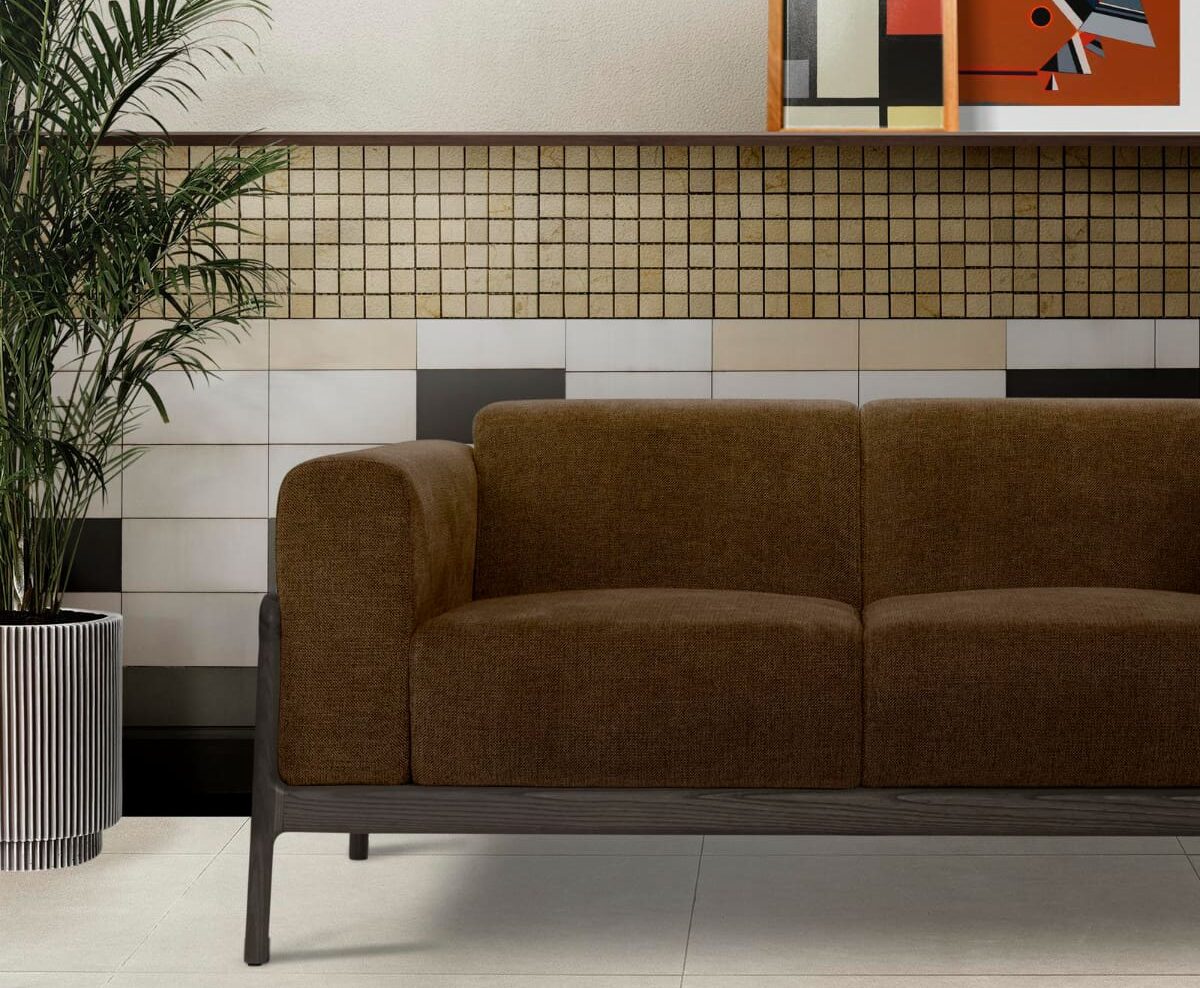
Key Takeaways: Sofa trends in 2026 are all about comfort, flexibility, and earthy colors, but not every popular style is worth the investment. Before buying, measure your space, choose upholstery that fits your lifestyle, and prioritize a comfortable, well-made sofa in a versatile shape or color. Bring in trendier styles through pillows and accessories so you can update your living room without replacing your sofa.
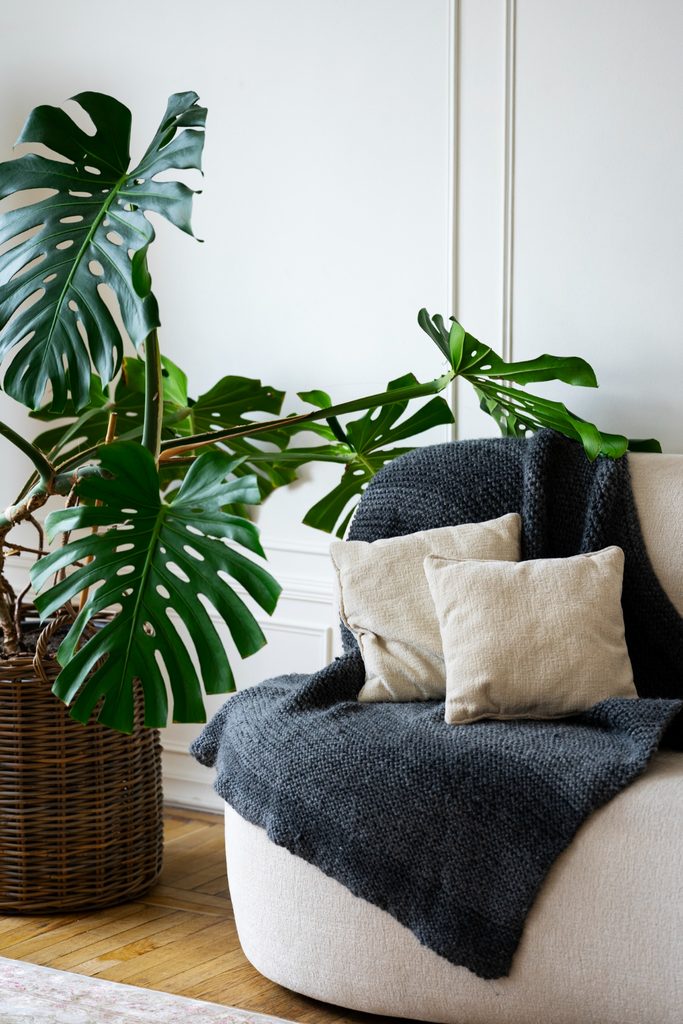
Sofa trends in 2026 are all about making your living room feel more comfortable, personal, and functional. From deep-seated sofas and earthy colors to modular designs and textured fabrics, today’s popular styles are less about creating a picture-perfect room and more about making a space you actually want to spend time in.
But not every sofa trend is worth bringing home. Some styles offer lasting comfort and flexibility, while others look great in a showroom but may not work with your space, lifestyle, or budget.
If you’re shopping for a new sofa, here’s what’s in, what’s out, and which sofa trends are worth considering in 2026.
Sofa Trends in 2026: What’s In, What’s Out, and What’s Worth It?
The biggest sofa trends in 2026 reflect a shift toward comfort, flexibility, and thoughtful design.
What’s in: Modular sofas, deep seating, earthy colors, tactile fabrics, curved silhouettes, and multifunctional designs.
What’s out: Overly coordinated furniture sets, impractical upholstery, uncomfortable statement pieces, and choosing a sofa based on appearance alone.
What’s worth it: A comfortable, well-made sofa with durable upholstery, a versatile shape, and a color that works with your home beyond one season.
The best sofa trends aren’t necessarily the most dramatic. They’re the ones that make your living room more comfortable and functional while still giving it a fresh, current look.
What’s In: 6 Sofa Trends Defining 2026
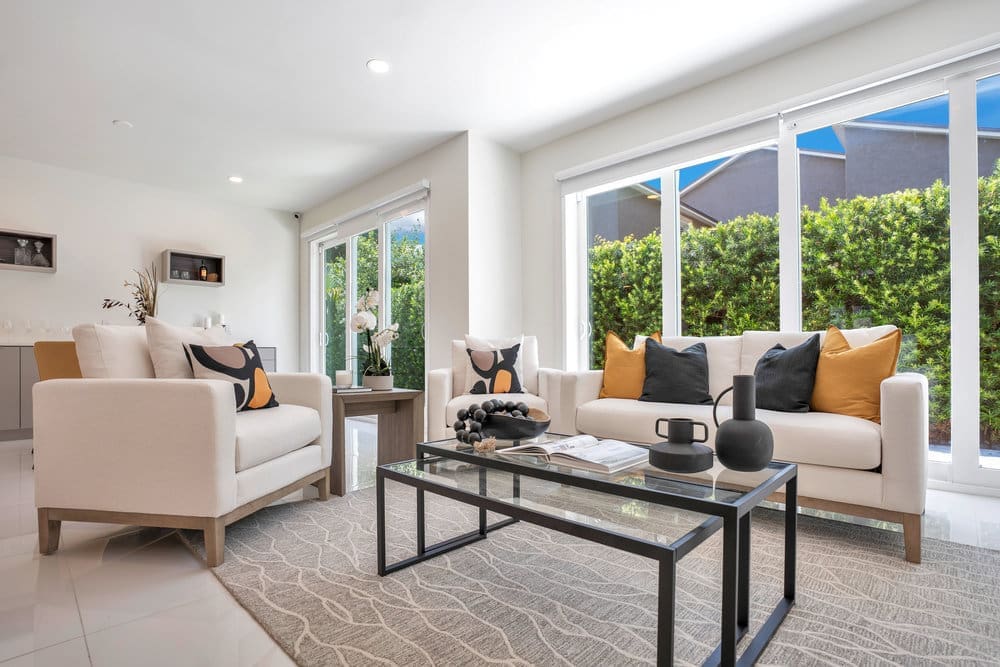
1. Modular Sofas That Adapt to Your Space
Modular sofas continue to be one of the biggest sofa trends in 2026, and it’s easy to see why.
Instead of being limited to one fixed configuration, modular sofas are made up of individual pieces that can be arranged and rearranged to suit your space. Depending on the design, you might be able to create a traditional sofa, an L-shaped sectional, a larger lounging area, or separate seating arrangements.
This flexibility makes modular sofas especially appealing for open-concept living rooms, homes where entertaining is a priority, and spaces that may change over time.
They’re also useful if you’re planning to move. A modular sofa may be easier to adapt to a different room than a large, fixed sectional, although this depends on the dimensions and design of the individual pieces.
What to consider: Check how the modules connect, whether the pieces stay in place during everyday use, and if additional components are available to purchase later. Some modular sofas offer more flexibility than others.
2. Deep-Seated Sofas Made for Lounging
The days of choosing a sofa solely for its formal appearance are giving way to designs that prioritize comfort.
Deep-seated sofas offer extra room to stretch out, curl up with a book, or relax after a long day. Oversized cushions, plush upholstery, and relaxed silhouettes help create the cozy, inviting feeling that’s popular in living rooms right now.
This trend is often associated with cloud-style sofas, which typically feature generous proportions and soft cushions.
But there’s a difference between a sofa that looks comfortable and one that actually works for you.
A deep sofa may be perfect for someone who loves lounging, but it can feel awkward for someone who prefers to sit upright with their feet on the floor. It can also be difficult for shorter people to sit comfortably without extra support.
What to consider: Pay attention to seat depth, cushion firmness, and back support. If you can’t test the sofa in person, look for detailed measurements and consider how they compare with a sofa you already find comfortable.
3. Earthy Sofa Colors and Warm Neutrals
Color is another major part of sofa trends in 2026. While neutral sofas remain popular, the definition of neutral is expanding beyond basic gray and beige.
Earthy greens, warm browns, terracotta, caramel, and creamy neutrals are showing up in living rooms because they add warmth without overwhelming the space.
Some popular shades include:
- Olive and sage green: Bring a natural, relaxed feel to the room.
- Chocolate brown: Adds depth and richness.
- Caramel and cognac: Create warmth while working well with wood tones.
- Terracotta and clay: Add personality and a subtle connection to nature.
- Cream and warm beige: Keep a room light while feeling softer than stark white.
These colors can work with a variety of design styles, from modern and minimalist to traditional and eclectic.
The advantage of earthy colors is that they can feel current without looking overly tied to one specific trend.
What to consider: Look at the color in your actual living room lighting. A shade that looks warm and inviting in a showroom may appear completely different next to your flooring, wall color, or natural light.
4. Tactile Fabrics That Add Texture
Sofa trends are moving beyond color and silhouette to focus on how upholstery looks and feels.
Textured fabrics can make a living room feel more layered and inviting, even when the furniture and accessories are relatively simple.
Some of the fabrics getting attention include:
- Bouclé: A textured fabric with a soft, looped appearance.
- Corduroy: Adds visible texture and a relaxed, cozy feel.
- Velvet: Offers a rich surface and can make a sofa feel more elevated.
- Textured woven fabrics: Create visual interest without relying on a bold color or pattern.
A textured sofa can be especially effective in a neutral living room. Instead of using several different colors to create interest, you can combine materials such as wood, linen, wool, and textured upholstery.
However, not every fabric is suitable for every household.
Some textures may be more difficult to clean or may show wear differently depending on how they’re used. Bouclé, for example, can have a distinctive appearance, but its suitability for pets or heavy everyday use depends on the specific fabric construction.
What to consider: Check the upholstery’s cleaning instructions, durability information, and how it feels against your skin. A beautiful fabric isn’t a great choice if you’re constantly worried about using it.
5. Convertible Sofas That Don’t Sacrifice Style
Multifunctional furniture is becoming increasingly important, especially for people who want their homes to work harder without adding more furniture.
Convertible sofas, including sleeper sofas and pull-out designs, offer a way to create additional sleeping space without dedicating an entire room to a guest bed.
Today’s sleeper sofas also come in a wider variety of styles, making it easier to find one that looks like a regular sofa rather than a piece of furniture designed solely for occasional overnight guests.
They’re particularly useful in:
- Smaller homes and apartments.
- Rooms that serve multiple purposes.
- Guest rooms that double as offices.
- Homes where friends and family frequently stay overnight.
Some sofas also incorporate other functional features, such as storage compartments or adjustable seating.
What to consider: If you’re buying a sleeper sofa, pay attention to both the seating and sleeping experience. Check the mattress dimensions, opening mechanism, and how much clearance you’ll need when the bed is extended.
A sofa that works well for sitting but is uncomfortable to sleep on may not be worth the trade-off.
6. Curved and Organic Sofa Shapes
Curved sofas are another noticeable trend in 2026.
Their rounded silhouettes offer a softer alternative to the straight lines and angular shapes found in many traditional sofas. They can also create a more sculptural look, making the sofa a focal point of the living room.
Curved designs work especially well in rooms where the sofa can be positioned away from the wall, allowing its shape to be appreciated from different angles.
They can also complement round coffee tables, organic-shaped accessories, and other furniture with softer lines.
However, curved sofas aren’t necessarily the best choice for every room.
Their shape can make them more difficult to position in smaller spaces or traditional layouts. Depending on the design, they may also offer less usable seating than a similarly sized straight sofa.
What to consider: Before buying a curved sofa, measure the entire footprint and think about how it will affect the room’s layout. Make sure it doesn’t interfere with walking paths or make it difficult to arrange other furniture.
What’s Out: Sofa Trends That May Be Losing Their Appeal
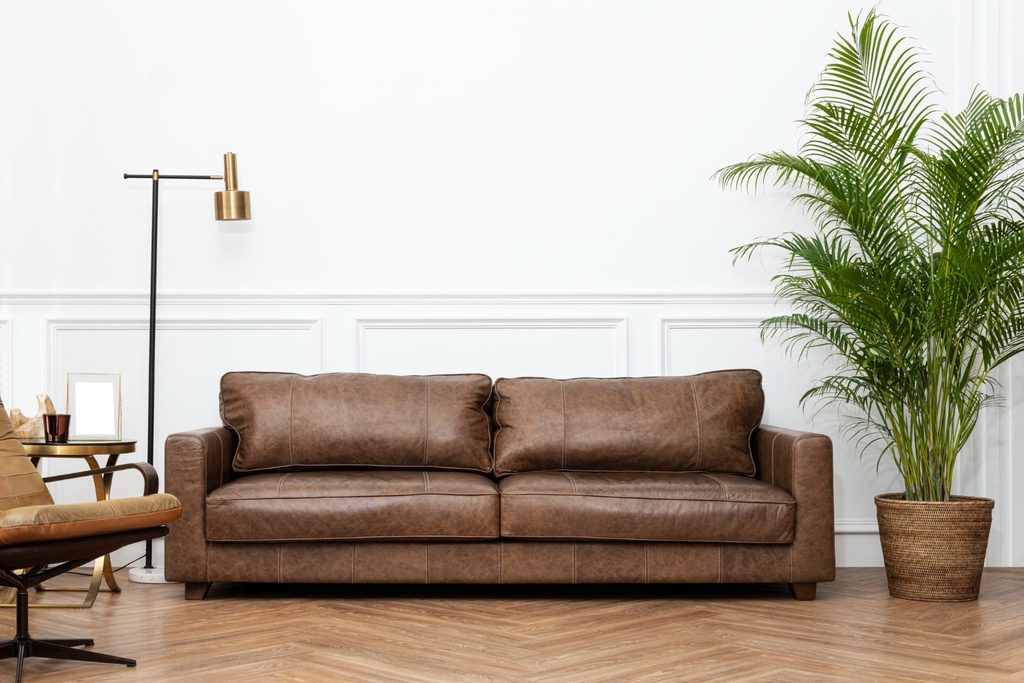
Not every sofa style that’s becoming less popular is automatically outdated. Many traditional designs still work beautifully in the right home.
The bigger shift is toward making more intentional choices instead of relying on styles that may look good but don’t fit the way people actually live.
Matching Living Room Furniture Sets
Matching furniture sets can make a room feel coordinated, but when every piece has the same finish, color, and style, the result can feel overly uniform.
A more collected approach is becoming popular.
Instead of buying a matching sofa, loveseat, and chair, homeowners are mixing complementary pieces with different shapes, textures, and finishes.
For example, a neutral sofa might be paired with a leather accent chair, a wood coffee table, and a patterned rug.
The goal isn’t to make everything match. It’s to create a room where the pieces work together.
Sofas That Look Good but Aren’t Comfortable
A sofa can be beautiful and still be a poor choice.
Unusual silhouettes, very firm cushions, or exaggerated proportions may create a striking appearance, but that doesn’t mean you’ll enjoy sitting on them every day.
Comfort is becoming a bigger priority in furniture design, and for good reason. A sofa is one of the most frequently used pieces of furniture in many homes.
Before choosing a statement sofa, consider how you’ll actually use it.
Do you like sitting upright? Do you prefer to stretch out? Will several people use it at once? Does it provide enough support?
A sofa should look good in your living room, but it should also feel good to live with.
High-Maintenance Upholstery for Busy Homes
Delicate upholstery may be appealing, but it can be impractical for households with pets, children, or frequent guests.
Light-colored fabrics, loose weaves, and materials that require specialized cleaning may demand more maintenance than you’re prepared to handle.
This doesn’t mean you need to avoid light colors or textured fabrics altogether. It means you should understand what you’re buying.
Performance fabrics can be a useful alternative because some are designed to resist stains, fading, or everyday wear.
Just remember that the term “performance fabric” doesn’t guarantee that a sofa is stain-proof or indestructible. The actual features vary by material and manufacturer.
Buying a Trendy Color Without Considering the Rest of the Room
A sofa in a trending color can be an easy way to update your living room, but choosing a shade simply because it’s popular can backfire.
A deep green sofa might look beautiful in a room with warm wood floors and cream walls, but it may feel out of place in a space with cool finishes and very little natural light.
Before buying a colorful sofa, consider the other colors and materials in your home.
You don’t have to choose a neutral sofa to create a timeless room. You just need to choose a color that works with the space you already have.
Which Sofa Trends Are Actually Worth It?
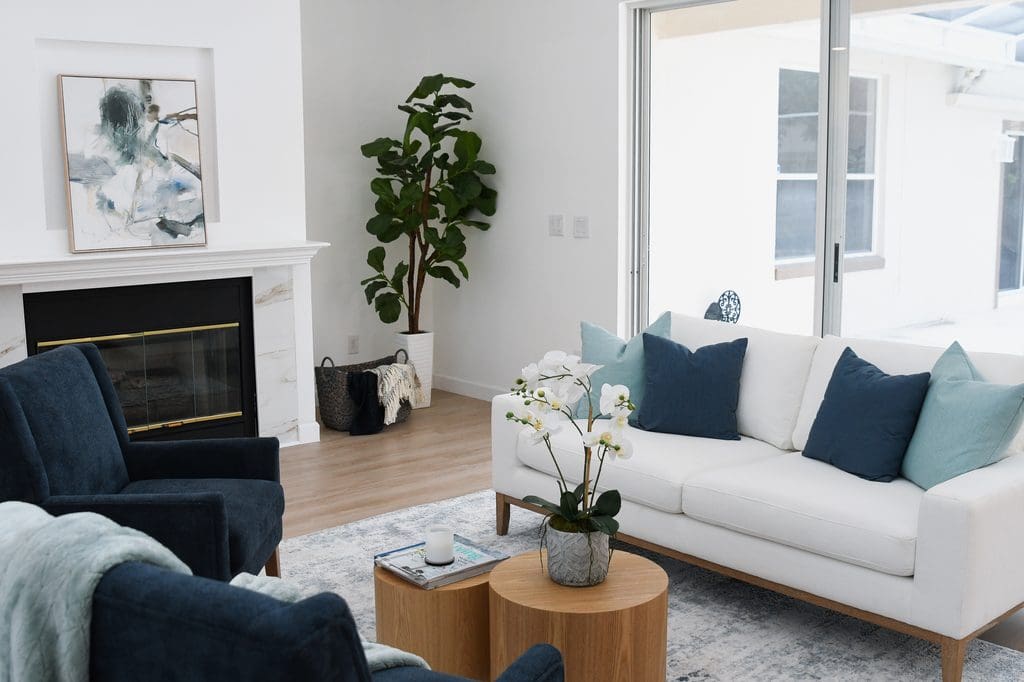
Some sofa trends offer more than a fresh look. They can improve how your living room functions and make your furniture more useful over time.
Here’s where I’d focus if you’re shopping for a sofa in 2026.
Worth It: Modular Sofas for Flexible Living
A modular sofa can be a worthwhile investment if you need flexibility.
It’s especially useful if you:
- Frequently rearrange your living room.
- Enjoy entertaining.
- Have an open-concept layout.
- May move to a different home in the future.
The value comes from being able to adapt the sofa to your needs rather than being locked into one configuration.
However, modular doesn’t automatically mean better quality. Check the frame, cushions, connectors, and upholstery just as carefully as you would with any other sofa.
Worth It: Performance Fabrics for Everyday Life
If your sofa gets used every day, the upholstery deserves serious consideration.
Performance fabrics may be worth the extra cost if you’re dealing with spills, pets, kids, or frequent guests.
Look for specific information about:
- Cleaning and stain removal.
- Abrasion resistance.
- Pilling and wear.
- Colorfastness.
- Whether the covers can be removed.
The best fabric isn’t necessarily the most expensive or the most durable one available. It’s the one that suits your household and how you use your sofa.
Worth It: Timeless Sofa Colors With a Modern Feel
If you want a sofa that feels current without needing to replace it when trends change, consider a color that works with a variety of styles.
Warm neutrals, earthy greens, and rich browns can all offer a balance between personality and versatility.
You can also introduce more trend-driven colors through smaller items, such as pillows, throws, artwork, and accent chairs.
That way, you can update the look of your living room without replacing the largest piece of furniture.
Think Twice: Oversized Sofas and Curved Designs
Oversized and curved sofas can look fantastic, but they’re worth considering carefully.
An oversized sofa may make a large living room feel more inviting, but it can overwhelm a smaller room.
A curved sofa may create a beautiful focal point, but its shape may limit how much seating you get or how easily you can arrange it.
These styles aren’t necessarily bad choices. They’re just more dependent on the space.
If you’re considering one, make sure the sofa’s proportions and functionality work for your room before committing.
How to Choose a Sofa Trend That Fits Your Home
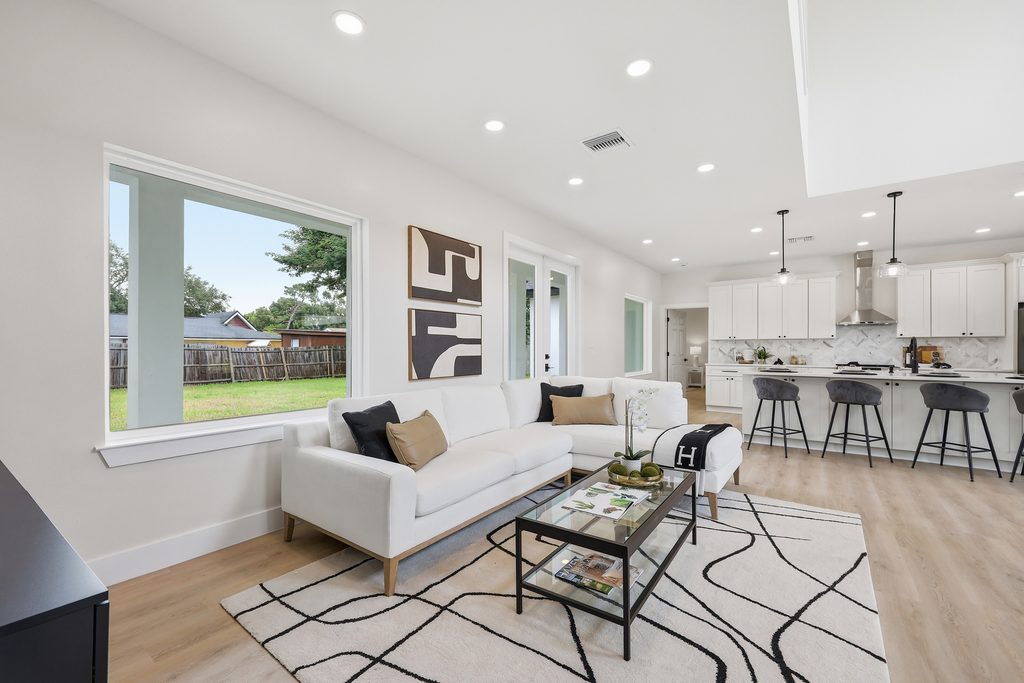
The best sofa trends are the ones that fit your lifestyle, space, and personal preferences.
Before buying, consider these four things.
Consider Your Room Size and Layout
Start by measuring your room.
Measure the space where you plan to place the sofa, including the width, depth, and height available.
Don’t forget to account for:
- Walking paths.
- Doorways and entry points.
- Coffee tables and side tables.
- Nearby windows and doors.
- Other furniture in the room.
If you’re buying a sectional, measure the full configuration rather than relying on the dimensions of one individual piece.
It’s also a good idea to mark the sofa’s footprint on the floor with painter’s tape. This gives you a better sense of how much space it will occupy before you bring it home.
Choose a Sofa Based on How You Actually Live
Think about how you use your living room on a typical day.
Do you spend most of your time watching TV? Do you entertain guests? Do you like to stretch out and lounge? Do you need extra sleeping space?
Your answers can help narrow down the right sofa style.
For example:
- If you entertain frequently, a modular sofa may offer more flexibility.
- If you love lounging, a deep-seated sofa may be a better fit.
- If you host overnight guests, a sleeper sofa may be useful.
- If your living room is small, a compact sofa with a streamlined silhouette may make more sense.
Choose a sofa for your actual lifestyle rather than the lifestyle you imagine having.
Think About Fabric, Durability, and Maintenance
The sofa’s upholstery can make a big difference in how it holds up over time.
Consider the people, pets, and activities in your home.
If you have pets, look for fabrics that are easy to clean and less likely to snag. If your sofa sits in direct sunlight, consider how the material and color may respond to fading.
If you have children, think about whether you want removable covers or upholstery that can be cleaned without specialized treatment.
Always check the manufacturer’s care instructions before purchasing.
Balance Trends With Timeless Design
One of the easiest ways to make a sofa trend work for your home is to balance it with more timeless elements.
For example, you might choose:
- A classic sofa silhouette in a trending earthy color.
- A modular sofa with neutral upholstery.
- A traditional sofa shape with textured fabric.
- A simple sofa with colorful pillows and a statement throw.
This approach allows you to enjoy current design trends without feeling like you need to replace your furniture every few years.
What Sofa Colors Are in Style in 2026?
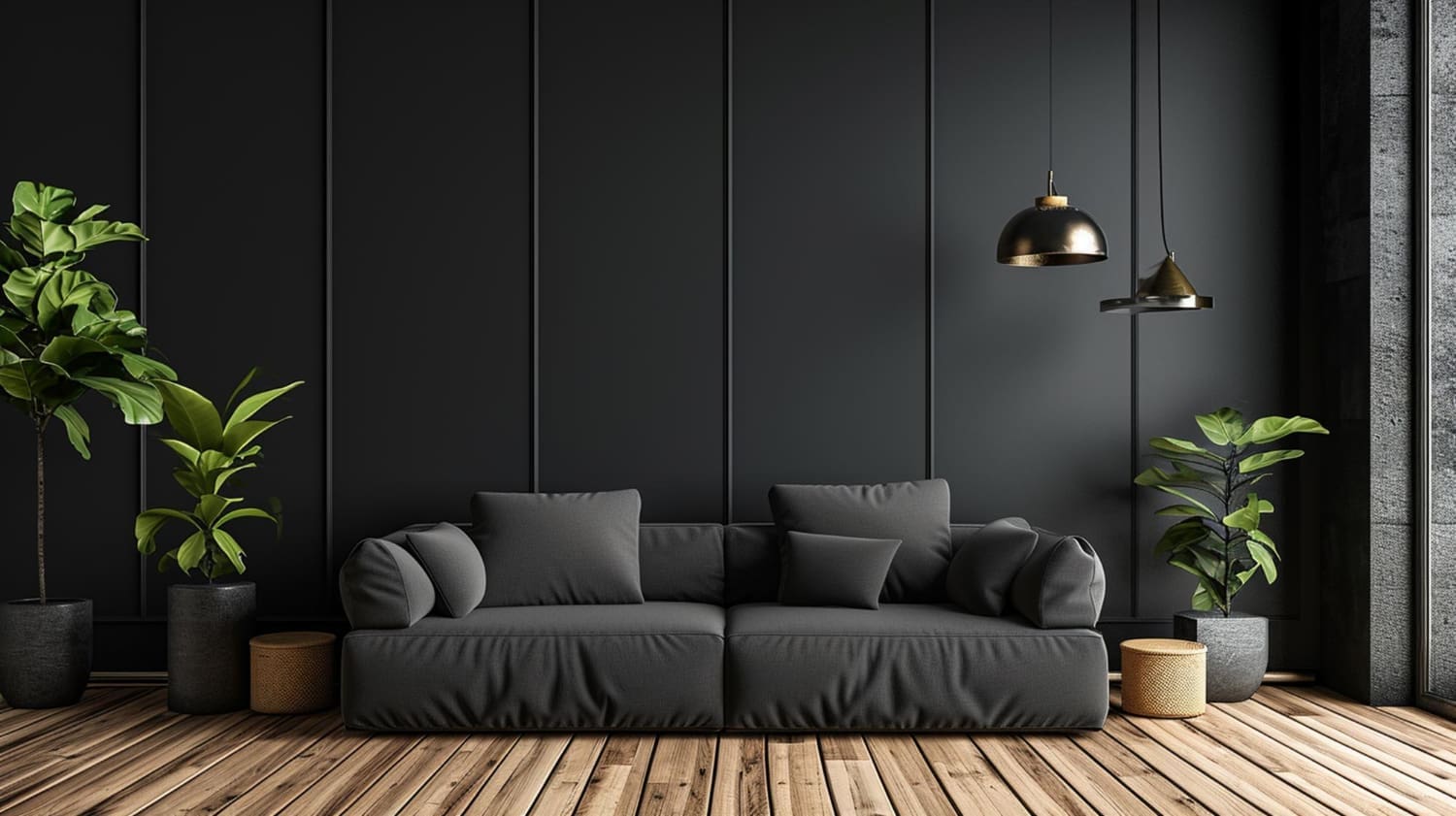
Sofa colors in 2026 are leaning toward warm, earthy, and nature-inspired shades.
Here are some of the most popular color directions.
Earthy Greens
Olive, sage, and moss green are popular choices for adding color while maintaining a relaxed, natural feel.
These shades work especially well with wood, cream, beige, and other warm neutrals.
A green sofa can bring personality to a room without feeling as bold as a brighter color.
Warm Browns and Caramel
Chocolate brown, caramel, and cognac are gaining attention for their rich, grounded appearance.
These colors can work well with both modern and traditional interiors.
They also pair nicely with cream walls, natural wood, brass accents, and textured fabrics.
Warm Neutrals
Cream, beige, taupe, and soft white remain popular because they’re versatile and easy to style.
Warm neutrals can make a room feel calm and inviting while providing a foundation for other colors and materials.
They’re especially useful if you like to change your decor regularly.
Are Gray Sofas Still in Style?
Yes. Gray sofas can still work beautifully in 2026.
The difference is that warmer grays and greige may feel more inviting than cooler, flat gray shades that can make a room feel cold.
If you already own a gray sofa, there’s no need to replace it simply because other colors are trending.
You can update the look with warm wood accents, textured pillows, a patterned rug, or a different wall color.
What Sofa Style Is the Most Timeless?
The most timeless sofa style is usually one that balances a classic silhouette, comfortable proportions, and quality construction.
Rather than choosing a sofa based on a specific trend, look for these characteristics:
- Clean lines that work with different design styles.
- A shape that fits your room.
- A color that complements your existing decor.
- Upholstery that suits your lifestyle.
- A frame and cushions designed for everyday use.
A simple sofa doesn’t have to be boring.
You can make a classic silhouette feel current with textured upholstery, an earthy color, or interesting accent pieces.
The goal is to choose a sofa that feels right in your home now and still works if you change your decor later.
Quality Checklist: What to Look for Before Buying a Sofa
A sofa is a significant purchase, so it’s worth looking beyond the color and style.
Here are five things to check before making a decision.
Check the Frame and Construction
Look for information about the sofa’s frame materials and construction.
A well-constructed frame can contribute to stability and longevity, but the material alone doesn’t tell you everything. The quality of the joints, support system, and overall construction also matters.
Ask the retailer what the frame is made of and whether the sofa comes with a warranty.
Understand the Cushion Fill and Support
Cushion fill affects how a sofa feels and how it may change with use.
Some cushions are designed to feel soft and plush, while others provide firmer support.
Ask about the cushion materials and whether they require regular fluffing or rotation.
If possible, sit on the sofa for several minutes rather than judging it by a quick test.
Choose Upholstery That Fits Your Lifestyle
Check the fabric’s care instructions and durability information.
Consider whether the sofa will be used every day, whether pets will sit on it, and how much maintenance you’re comfortable with.
Don’t rely on a product description alone. Ask for specific information about cleaning, stain resistance, and wear.
Look for Removable or Replaceable Covers
Removable covers can make cleaning easier, but check whether they’re actually machine washable or require professional cleaning.
Also ask whether replacement covers or cushions are available.
Being able to replace a worn cover or cushion may help extend the sofa’s useful life.
Test the Sofa for Comfort and Proportion
Before buying, make sure the sofa suits your body and your space.
Check the seat depth, seat height, back support, and cushion firmness.
If you’re shopping online, compare the dimensions with a sofa you already find comfortable.
Also check delivery dimensions. A sofa that fits your living room may still be difficult to get through a doorway, hallway, or staircase.
Choose Sofa Trends That Work for You
Sofa trends in 2026 are putting comfort, flexibility, and personality at the center of living room design.
Modular sofas, deep seating, earthy colors, tactile fabrics, and multifunctional designs offer plenty of ways to make your living room feel fresh.
But the best sofa isn’t necessarily the one that’s trending the most.
It’s the one that fits your space, supports the way you live, and feels comfortable enough to enjoy every day.
If you’re shopping for a new sofa, start with what matters most to you. Then use current trends to find a style that feels both personal and practical.
Frequently Asked Questions About Sofa Trends
What are the biggest sofa trends in 2026?
Some of the biggest sofa trends in 2026 include modular designs, deep-seated sofas, earthy colors, textured upholstery, convertible sofa beds, and curved silhouettes. These styles reflect a growing focus on comfort, flexibility, and multifunctional living spaces.
What sofa colors are in style in 2026?
Popular sofa colors in 2026 include olive and sage green, chocolate brown, caramel, terracotta, cream, and warm beige. These earthy shades add warmth and personality while remaining relatively easy to style.
Are gray sofas still in style?
Yes. Gray sofas can still work well in 2026, especially warmer gray and greige shades. You can also update an existing gray sofa with warm accents, textured fabrics, and complementary colors.
Are modular sofas worth it?
Modular sofas can be worth it if you want flexible seating that can adapt to different layouts or living situations. They’re particularly useful for open-concept spaces, entertaining, and homes where furniture arrangements may change.
However, modular sofas vary in construction and quality, so check the frame, connectors, cushions, and upholstery before buying.
What sofa style is the most timeless?
A classic sofa silhouette with comfortable proportions, quality construction, and adaptable upholstery is often the most timeless choice. Clean lines and versatile colors can make it easier to update your living room without replacing the sofa.
Are curved sofas going out of style?
Curved sofas are still a popular design choice, but they’re not ideal for every room. Their appeal depends on the space, layout, and how much usable seating you need. A curved sofa can be a beautiful focal point when its proportions work with the room.
What sofa fabric is best for pets and children?
Performance fabrics can be a practical choice for homes with pets or children because some are designed to resist stains and everyday wear. Look for specific information about cleaning, durability, and snag resistance rather than relying on the term “performance fabric” alone.
Should I buy a trendy sofa or a timeless one?
If you want a sofa that will work for years, consider choosing a timeless shape with a color or fabric that reflects current trends. You can also bring in trendier styles through pillows, throws, rugs, and other accessories that are easier to replace.
📲 Call or text 407-279-0448
📧 Email info@atipicaldesignco.com
🌐 Visit www.atipicaldesignco.com to start your Orlando home-staging journey.
- Fall Room Ideas: 15 Easy Ways to Make Your Home Feel Cozy for Autumn
 Key Takeaways: Fall room ideas don’t have to mean covering your home in pumpkins and orange. Start with warm colors, cozy textures, soft lighting, natural elements, and a few seasonal swaps to make every room feel inviting for autumn. There’s something about fall that makes you want your home to feel a little softer, warmer,… Read more: Fall Room Ideas: 15 Easy Ways to Make Your Home Feel Cozy for Autumn
- Why Do Interior Designers Cost So Much? The True Value of Interior Design
 It’s one of the most common questions homeowners and business owners ask when beginning a design project: Why do interior designers cost so much? At first glance, interior design can seem expensive. When people think about hiring an interior designer, they often picture selecting paint colors, choosing furniture, and styling accessories. But professional interior design… Read more: Why Do Interior Designers Cost So Much? The True Value of Interior Design
- 5 Trendy Ways to Use Texture in 2026 Interior Design
 If a space feels flat, it’s usually not the furniture. It’s the lack of texture. In 2026 interior design, texture is doing most of the work. It’s what makes a room feel layered, finished, and easy to connect with Here are 5 trendy ways to use texture in 2026 that actually make a difference 1.… Read more: 5 Trendy Ways to Use Texture in 2026 Interior Design
- How to Find Your Interior Design Style (Step-by-Step Guide)
 If you’ve ever saved a dozen different home photos and thought, “Why do I like all of these?”—you’re not alone. Learning how to find your interior design style isn’t about fitting into one category. It’s about creating a home that feels like you. At Atipical Design Co., we help clients turn scattered inspiration into a… Read more: How to Find Your Interior Design Style (Step-by-Step Guide)
- How to Sell My House Fast: 10 Design Tips That Actually Work
 If you’re asking yourself, “How can I sell my house fast?” you’re not alone. In competitive markets like Orlando, Winter Park, and Windermere, buyers make decisions quickly. Often, they decide within seconds of walking through the front door (or scrolling photos online). The good news?You don’t need a full renovation to sell faster. Strategic design… Read more: How to Sell My House Fast: 10 Design Tips That Actually Work
Leave your thoughts: